
Introduction
Germany has a rich and diverse food culture with a wide range of delicious dishes that reflect its history and regional differences. From filling meals to mouthwatering desserts, German cuisine is an important part of everyday life. Whether you enjoy traditional recipes or modern interpretations, there’s something for everyone to enjoy.
If you’re thinking about moving to Germany, it’s important to understand the country’s food scene. Food Germany is more than just something we need to survive; it’s a way of living. For those looking to rent in Germany, you’ll discover that foods from Germany bring people together and create unforgettable moments. With so many different Germany dishes to sample, your culinary adventure will be both thrilling and fulfilling.
The Essence of German Cuisine
Traditional German food is known for its hearty and satisfying nature. Meals typically feature meats, potatoes, and vegetables, often complemented by rich sauces. Classic German dishes like sausages, schnitzels, and stews are staples across the country.
Locally Sourced Ingredients
A defining characteristic of German cuisine is the use of locally sourced ingredients. This farm-to-table approach ensures freshness and supports local farmers. Seasonal produce plays a significant role, with dishes adjusting to what’s available throughout the year.
The Importance of Bread
Bread holds a special place in the hearts of Germans. With over 300 types, it’s more than just a side dish—it’s an integral part of daily life. Common varieties include:
- Rye Bread (Roggenbrot): Dense and flavorful, it pairs well with hearty spreads.
- Mixed Wheat-Rye Bread (Graubrot): A balanced option that combines the best of both grains.
Regional Diversity
German foods reflect regional diversity, offering a unique taste in each area. From the Black Forest to Bavaria, the culinary landscape changes significantly.
Tradition Meets Modernity
Cuisine in Germany is deeply rooted in tradition while also embracing modern influences. The result is a rich tapestry of flavors that showcases the best of what German meals have to offer.
Whether you’re enjoying a simple sandwich or an elaborate feast, German food dishes provide something for everyone.
Iconic Dishes to Savor
Schnitzel and Rouladen
Schnitzel is one of the most popular traditional dishes in Germany. This beloved German meal consists of a breaded and fried meat cutlet, typically made from pork or veal. Preparation involves:
- Tenderizing: The meat is pounded thin.
- Breading: Dipped in flour, egg wash, and breadcrumbs.
- Frying: Cooked until golden brown in a pan with hot oil.
Regional variations abound. In Bavaria, you might find Schweineschnitzel (pork schnitzel), while in other parts of the country, veal is preferred. Each region adds its twist, whether it’s serving with a slice of lemon or a side of potato salad.
Rouladen, another staple in German cuisine, features beef or veal rolls filled with pickles, bacon, onions, and mustard. The preparation steps include:
- Spreading mustard on thin slices of beef.
- Adding fillings: Placing bacon strips, onions, and pickles on the mustard-coated beef.
- Rolling up: Securing the rolls with string or toothpicks.
- Browning and simmering: Browning the rolls in a pot before simmering them in broth or wine until tender.
Rouladen is usually served with gravy made from the cooking juices, alongside dumplings or boiled potatoes.
When exploring Germany’s culinary specialties, these dishes highlight the rich flavors and traditions that can make living there so appealing for potential renters. Engaging with local food culture can provide a deeper connection to any new home.
Sauerbraten and Käsespätzle
Sauerbraten is one of Germany’s standout meals, known for its rich flavors. This pot roast goes through a special preparation process where it is marinated for several days in a mixture of vinegar, water, onions, and various spices. The marinade tenderizes the meat and gives it a tangy taste. After marinating, the meat is slow-cooked until it’s incredibly tender. It’s traditionally served with red cabbage and potato dumplings, making it one of the most popular traditional dishes in Germany.
On the other hand, Käsespätzle offers a delightful comfort food experience. This dish features egg noodles generously layered with grated cheese and topped with crispy fried onions. Often compared to mac and cheese, Käsespätzle provides a hearty and satisfying meal that is loved throughout the country.
Both Sauerbraten and Käsespätzle showcase the diversity within German cuisine. Their unique flavors and preparation methods make them must-try dishes for anyone exploring foods from Germany.
Fast Food Favorites: Currywurst
Currywurst stands out as one of the most popular traditional dishes in Germany. This fast food favorite is a delicious combination of sliced sausage topped with a tangy curry-flavored ketchup. It’s a beloved street food that you can find almost anywhere across the country.
Top spots to try Currywurst include:
- Curry 36 in Berlin: Famous for its authentic taste and lively atmosphere.
- Konnopke’s Imbiss, also in Berlin: A historic spot that has been serving this German meal since 1930.
- Best Worscht in Town, Frankfurt: Known for its spicy variations of the classic Currywurst.
For anyone diving into German food culture, trying Currywurst is a must. It embodies the casual and hearty essence of food in Germany, making it a perfect introduction to Germany’s culinary specialties. As you explore different German food restaurants, you’ll discover how this simple yet flavorful dish has become an iconic part of Germany meals.
Regional Specialties Across Germany
Germany’s culinary landscape is as diverse as its regions. Each area has its own unique dishes that reflect local traditions and ingredients. These regional specialties offer a delicious way to explore the country’s culture.
Bavarian Sausages
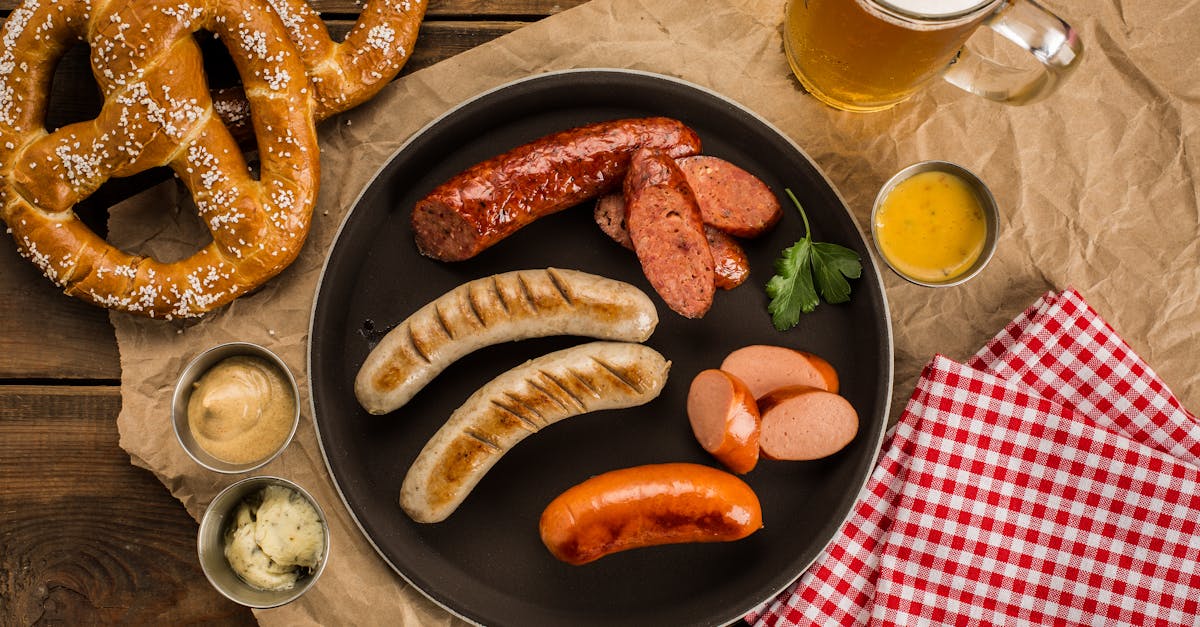
Bavaria, located in the southeast, is famous for its sausages. Weißwurst (white sausage) is a traditional Bavarian breakfast item. Made from minced veal and pork back bacon, it’s flavored with parsley, lemon, mace, onions, ginger, and cardamom. Traditionally served with pretzels, sweet mustard, and a cold wheat beer.
Swabian Noodles (Maultaschen)
In the southwest region of Swabia, you’ll find Maultaschen. These are large ravioli-like pasta filled with a mixture of meat, spinach, breadcrumbs, and onions. Often served in broth or pan-fried with onions and eggs. This dish is considered comfort food and has a rich history dating back to medieval times.
Other Notable Dishes
- Kartoffelsalat: Different regions have their own versions of this potato salad. Southern Germany prefers it with a vinegar-based dressing while northern Germany leans towards mayonnaise.
- Thuringian Rostbratwurst: From Thuringia in central Germany, these sausages are seasoned with marjoram and grilled over an open flame.
- Frikadellen: Known throughout Germany but especially popular in Berlin and Hamburg. These are pan-fried meat patties made from minced meat mixed with bread crumbs, onions, and spices.
Exploring these typical foods from Germany offers a delightful journey into the country’s rich culinary heritage. Whether you’re considering renting in Germany or just visiting, indulging in regional specialties provides a deeper connection to the local lifestyle.
The Influence of Immigration on Food Culture
Immigration has had a significant impact on Germany’s culinary landscape, enriching it with diverse flavors from around the world. This blend of cultures has introduced new ingredients and cooking techniques that have become beloved staples in German cuisine.
Döner Kebab, for instance, is a prime example of immigrant influence on German food culture. Originating from Turkey, this dish features succulent slices of meat, usually lamb or chicken, served in flatbread with fresh vegetables and tangy sauces. It’s now one of the most popular street foods across Germany.
Another notable addition is the Falafel, a Middle Eastern delicacy made from ground chickpeas or fava beans. Often served in pita bread with hummus and salad, it’s a favorite among vegetarians and meat-eaters alike.
The influence doesn’t stop there:
- Italian Pasta and Pizza: Widely available in eateries across Germany.
- Asian Cuisine: Sushi bars and Vietnamese pho restaurants are common.
- Middle Eastern Sweets: Baklava and other desserts are gaining popularity.
These diverse influences highlight how immigration continues to shape and enrich the culinary scene in Germany, making it a vibrant and dynamic food culture.
Meal Times in Germany
Meal times in Germany are marked by structure and tradition.
Breakfast (Frühstück)
Breakfast in Germany typically includes an assortment of bread rolls (Brötchen), cold cuts, cheeses, and spreads like butter and jam. Cereals and yogurt are also common.
Lunch (Mittagessen)
Lunch is the main meal of the day. It often features heartier dishes such as meat with vegetables and potatoes or a rich stew, showcasing traditional foods from Germany. This meal is usually warm and substantial.
Dinner (Abendbrot)
Dinner translates to “evening bread.” This meal is lighter than lunch, consisting of cold cuts, cheeses, salads, and bread. It’s a time for families to gather and enjoy simpler fare.
Coffee Time (Kaffeeklatsch)
Coffee time holds special significance in German culture. In the afternoon, it’s customary to enjoy coffee paired with cake or pastries. Popular choices include Schwarzwälder Kirschtorte (Black Forest cake) and apple strudel.
These structured meal times reflect the importance of food in daily life, blending traditional food from Germany with social rituals that bring people together.
Beer Culture and Festivals
Germany’s beer culture is legendary. It’s more than just a drink; it’s a tradition deeply woven into the fabric of daily life. With hundreds of breweries scattered across the country, Germany offers a vast array of beer varieties. The Reinheitsgebot, or Beer Purity Law, ensures that German beers are made with only four ingredients: water, hops, barley, and yeast.
Oktoberfest
No discussion about beer culture in Germany would be complete without mentioning Oktoberfest. Held annually in Munich, this iconic festival attracts millions from around the world. Guests enjoy not only beer but also traditional German foods like pretzels, sausages, and roast chicken.
Regional Beer Festivals
Beyond Oktoberfest, various regions host their own beer festivals. These events celebrate local brews and bring communities together. For example:
- Cannstatter Volksfest in Stuttgart
- Bergkirchweih in Erlangen
- Freimarkt in Bremen
These festivals highlight the cultural importance of beer in Germany and offer a taste of authentic German hospitality.
Engaging with Germany’s beer culture can be a delightful experience for anyone considering moving or renting there. The country’s rich traditions and festive spirit make it an appealing destination for food and drink enthusiasts.
Sweet Treats and Desserts
German desserts are a delightful part of the country’s food culture. A favorite is Schwarzwälder Kirschtorte or Black Forest cake, made with layers of chocolate sponge, whipped cream, and cherries. This iconic cake highlights the German love for rich and indulgent sweets.
Seasonal variations also play a big role in German desserts. During Christmas, Stollen—a fruit bread filled with marzipan and nuts—is a must-have. Easter brings Osterlamm, a lamb-shaped cake dusted with powdered sugar.
Other popular treats include:
- Apfelstrudel: A pastry filled with spiced apples.
- Berliner: Doughnuts often filled with jam.
These desserts reflect Germany’s diverse culinary traditions, offering something sweet for every season and occasion. The love for baking and quality ingredients shines through each bite, making German desserts a memorable experience for any sweet tooth.
Conclusion
Exploring Germany’s food culture offers a rich and diverse culinary journey that can significantly enhance your living experience. Embrace the culinary delights when considering a move or renting in Germany. Savor Germany’s culinary specialties and let them guide you to new tastes and traditions.