
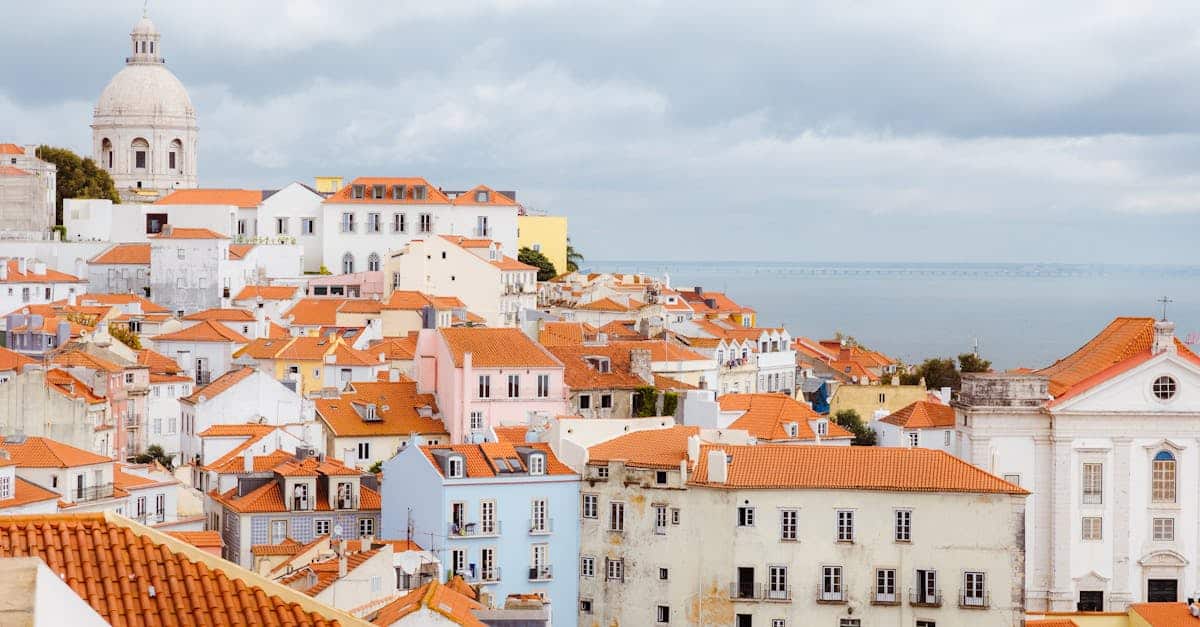
Discover Alfama, Lisbon’s oldest neighborhood. Explore winding streets, historic landmarks, traditional cuisine, and vibrant festivals in this cultural gem.
Introduction
Alfama is the oldest and most charming neighborhood in Lisbon, Portugal. With its narrow cobbled streets and traditional architecture, it perfectly represents the city’s history. Both tourists and locals love Alfama for its lively atmosphere, which includes famous landmarks and Fado music performances.
Alfama has a lot to offer:
- Attractions: Explore iconic sites like São Jorge Castle and Lisbon Cathedral.
- Cultural experiences: Immerse yourself in the local culture through Fado shows and street art.
- Culinary delights: Indulge in delicious Portuguese cuisine at traditional restaurants.
Looking for a room close to Alfama? Find accommodation in Lisbon on Uniplaces — verified listings across the city’s most characterful neighborhoods.
Exploring the Streets of Alfama
Exploring Alfama means immersing yourself in a maze of narrow cobblestone streets. Each turn reveals colorful houses adorned with vibrant street art, offering a glimpse into Lisbon’s creative soul. Alfama sits within a broader tapestry of distinct neighborhoods — the Lisbon neighborhoods guide is the best way to plan a logical route before or after your visit here.
For those eager to explore Alfama on foot, consider these tips:
- Wear Comfortable Shoes: The cobblestone paths can be uneven, so sturdy footwear is essential.
- Embrace Getting Lost: Let go of maps and enjoy the adventure. Discover hidden corners and local secrets around every bend.
- Look Up and Around: Admire the unique architectural details and street art that tell stories of the neighborhood’s rich past.
Alfama’s streets invite exploration, offering a journey through Lisbon’s historic and vibrant heart. With each step, the neighborhood unfolds its history and culture, engaging all who wander through its enchanting pathways.
1. Key Attractions in Alfama
São Jorge Castle (Castelo de São Jorge)
Exploring Alfama, Lisbon’s historic and vibrant heart, wouldn’t be complete without visiting São Jorge Castle. This iconic landmark stands as a guardian over the city, representing the rich history of Lisbon. As one of the most important attractions in Alfama, it offers visitors a glimpse into its strategic significance during different historical periods. Originally built by the Moors in the mid-11th century, the castle played a crucial role in defending Lisbon from invaders.
Historical Significance
The castle has witnessed numerous sieges and battles. It served as a royal palace until the early 16th century and was pivotal during the Christian reconquest of Lisbon in 1147. Its sturdy walls have long protected residents and provided refuge during times of conflict.
Panoramic Views
Climbing to the castle walls rewards you with breathtaking panoramic views of the cityscape and beyond. From this vantage point, you can see the red-roofed houses of Alfama, the sprawling Tejo River, and even spot landmarks like the Lisbon Cathedral from afar.
Visitors can explore its towers, archaeological site, and museum exhibits that delve into its storied past. For more on Alfama sights in Lisbon and cultural significance, check resources like Alfama: A Complete Guide or delve deeper into the history of São Jorge Castle. These guides provide further insights into why this castle remains a must-see for anyone wandering through Alfama’s enticing alleys.
Lisbon Cathedral (Sé de Lisboa)
Located in the heart of Alfama, the Lisbon Cathedral or Sé de Lisboa is a testament to the city’s rich history and stunning architecture. This iconic landmark, one of the must-see Alfama attractions, captivates visitors with its imposing Romanesque facade and intricately detailed interiors.
Architectural Features
The cathedral showcases a robust Romanesque style, highlighted by its impressive facade and two solid bell towers. Its interior houses a stunning rose window that bathes the nave in colored light, enchanting all who step inside.
Construction and Renovations
Originally built in 1147, the cathedral has undergone numerous renovations due to natural disasters like earthquakes. Each restoration phase added layers of history, blending Gothic and Baroque elements into its structure.
As you explore this remarkable sight, delve into Alfama’s vibrant atmosphere with resources like Alfama district guide or History of Old Lisbon Quarter, offering insights into Lisbon’s historic roots.
Panteão Nacional
Located in the heart of Alfama, the Panteão Nacional is a tribute to Portugal’s rich history. This national pantheon is the final resting place for some of the country’s most important figures. Visitors can explore the impressive tombs of iconic personalities such as Amália Rodrigues, a celebrated Fado singer whose music resonates through Alfama’s streets.
Inside, you’ll find a stunning collection of artworks and intricate architectural details. The grand dome offers a breathtaking view of Lisbon, making it one of the must-see Alfama attractions. Beyond being a burial site, the Panteão Nacional represents Portugal’s vibrant cultural heritage and historical significance.
For those interested in exploring more about Alfama’s historical charm and lively atmosphere, check out Lisbon Portugal Tourism or discover its cultural importance at Portugal Magik. These resources will enhance your journey through Alfama’s sights in Lisbon, providing deeper insights into this neighborhood gem.
Igreja de Santo António
Igreja de Santo António stands proudly in the heart of Alfama, among the top Alfama attractions. This quaint church is a must-see for anyone exploring Alfama: Lisbon’s Historic and Vibrant Heart. Known for its historical charm, it is built on the very site where Saint Anthony, the patron saint of Lisbon, was born. This connection makes it one of the revered Alfama sights Lisbon.
Inside, visitors are greeted by striking azulejo tilework that tells stories of Saint Anthony’s life and miracles. The intricate baroque altarpiece adds to the church’s allure, showcasing exquisite craftsmanship typical of Portuguese religious art. The church not only serves as a place of worship but also as a cultural landmark reflecting Lisbon’s rich past.
Dive deeper into Alfama’s heritage through resources like Alfama: History of Old Lisbon Quarter and discover more about its unique atmosphere and popular landmarks.
Miradouro de Santa Luzia
Located in the heart of Alfama, the Miradouro de Santa Luzia is one of Lisbon’s most beautiful viewpoints. This scenic terrace offers panoramic views of the Tejo Estuary and the winding rooftops of Alfama, showcasing the district’s historical charm. It’s a paradise for photographers and romantics, making it the perfect place to admire the beauty of Lisbon’s oldest neighborhood.
Best Time for Sunset Views
The late afternoon is perfect for visiting Miradouro de Santa Luzia. As the sun sets, the sky transforms into a canvas of warm hues, casting a golden glow over São Jorge Castle and the rest of the cityscape.
This viewpoint offers more than just breathtaking landscapes; it also immerses visitors in Lisbon’s vibrant culture. The surrounding gardens are adorned with bougainvillea, while azulejo-covered walls add to its charm.
These landmarks are just the beginning — many of Alfama’s sights connect to a wider network of historic monuments across the capital. Lisbon’s comprehensive attractions guide is a useful companion if you’re planning to explore beyond the neighborhood during your stay.
2. The Heart of Fado Music in Alfama
Understanding Fado Music
Alfama, with its historic charm and soulful traditions, is the birthplace of traditional Fado music. This musical genre is deeply woven into the fabric of Lisbon’s cultural tapestry, capturing the spirit of the city and its people. Often characterized by its melancholic tone, Fado music explores emotional themes such as love, longing, and nostalgia. It speaks to the heartache and hopes of sailors and their families, resonating with anyone who has experienced longing or loss.
Fado music is not just about melodies; it’s a journey into Portugal’s past. The lyrics often tell stories of everyday life, weaving tales that reflect on personal experiences and universal emotions. The haunting sounds of the Portuguese guitar accompany these narratives, creating a powerful and emotive atmosphere.
Experience Fado in Alfama
Visitors to Alfama can immerse themselves in this unique musical tradition by exploring local venues where live performances bring these emotions to life. To truly understand Alfama’s unique atmosphere, experiencing a Fado performance is essential. These shows often take place in intimate settings where the connection between performers and audience feels almost tangible.
Learn More About Fado
For those interested in diving deeper into the world of Fado, resources such as Museu do Fado offer insights into its historical significance and evolution over time. Exploring Alfama: Lisbon’s Historic and Vibrant Heart reveals much about this enchanting neighborhood beyond its streets—popular landmarks, dining spots, and other cultural experiences await both new residents and visitors eager to explore Lisbon’s roots.
Discover more about Alfama’s attractions through guides like ALFAMA Lisbon – Complete 2024 Tourist Guide and uncover how traditional Fado music continues to shape this district’s identity.
Experiencing Live Fado Performances
Alfama is the beating heart of traditional Fado music, offering an authentic experience that immerses visitors in Lisbon’s soulful melodies. Known for its emotional depth, Fado is more than just music; it’s a profound expression of love, longing, and nostalgia. In Alfama, live Fado performances are an integral part of the neighborhood’s cultural identity, and visitors can find several popular venues to enjoy these captivating shows.
Popular Venues for Live Fado in Alfama
- Clube de Fado: Nestled in the heart of Alfama, this venue provides an intimate setting where traditional Portuguese cuisine complements the haunting sounds of Fado. The dimly lit atmosphere adds to the charm, making it a favorite among locals and tourists alike.
- Mesa de Frades: Located in a former chapel, this venue offers a unique ambiance with its beautiful azulejo tiles and vaulted ceilings. Guests can indulge in exquisite dishes while listening to talented Fadistas perform.
- Parreirinha de Alfama: Renowned for its authentic performances, this cozy spot has hosted some of Portugal’s most celebrated Fado singers. The warm hospitality and delicious food make it a cherished destination for those seeking genuine cultural experiences.
Exploring Alfama through its traditional Fado music provides insights into the neighborhood’s unique atmosphere. This journey through sound and flavor captures the essence of Lisbon’s historic and vibrant heart. For further exploration of Alfama’s attractions and cultural significance, check out articles on Alfama district and Alfama history.
3. Culinary Delights in Alfama
Bacalhau à Brás
One of the many traditional dishes loved in Lisbon, Bacalhau à Brás is a true Portuguese classic. This dish features a delicious combination of salted cod, eggs, and potatoes, creating a comforting meal that warms the soul. The ingredients are expertly mixed, with tender flakes of cod mingling with creamy scrambled eggs and crispy fried potatoes. To add a pop of color and texture, parsley and black olives are often used as garnishes.
To indulge in this delightful recipe, make your way to some of the top dining spots in Alfama. Cervejaria Ramiro, known primarily for its seafood offerings, also serves an excellent version of Bacalhau à Brás. If you’re seeking a more traditional experience, head over to Taberna Sal Grosso, renowned for its authentic Portuguese cuisine.
Alfama’s food scene has more to offer than just mouthwatering dishes; it also boasts restaurants filled with history and charm. By exploring these eateries, you’ll gain a deeper understanding of the neighborhood’s vibrant spirit. For more information about Alfama’s attractions and cultural significance, check out The Alfama district of Lisbon: A tourist guide for 2024 and Portugal Magik’s history overview.
Savoring Bacalhau à Brás in Alfama is not just about enjoying a delicious meal; it’s an opportunity to immerse yourself in the historic and lively heart of Lisbon. With each bite, you’ll experience a tale of tradition and local pride being shared through food.
Grilled Sardines
Grilled sardines are a must-try dish in Alfama, showcasing Portugal’s rich culinary heritage. These traditional dishes are especially popular during the summer months, when they are grilled over open flames to achieve a charred perfection that locals and visitors alike crave. The smoky aroma and crispy skin make them irresistible.
In Alfama, some of the best places to enjoy grilled sardines are during local festivals like Santos Populares. This celebration transforms the neighborhood into a lively hub of music, dance, and street food. As you wander through Alfama’s narrow streets, you’ll find numerous stalls and Alfama dining spots serving this delectable treat.
For those interested in trying their hand at creating this dish at home, you might want to explore a grilled sardines recipe. Discovering these flavors offers an authentic experience that captures both the spirit and tradition of Lisbon.
Pastéis de Nata
Pastéis de nata, the beloved Portuguese custard tarts, are a must-try when exploring Alfama’s diverse culinary scene. These delightful treats feature a creamy custard filling encased in a flaky pastry crust, offering a perfect balance of sweetness and texture. Originating from Lisbon’s iconic Belém district, pastéis de nata have become a staple in bakeries across Portugal, capturing the hearts of locals and tourists alike.
In Alfama, some top bakeries renowned for their delectable versions include:
- Pastelaria Santo António: Known for their fresh and irresistible tarts served warm from the oven.
- Fábrica da Nata: Offers a modern twist on this classic dessert, ensuring every bite is unforgettable.
For a wider selection of Lisbon’s best dining spots beyond the neighborhood, Lisbon’s top 5 restaurants for foodies has reliable picks across the city.
4. Local Events and Festivals in Alfama
Alfama, one of Lisbon’s most historic neighborhoods, is full of life with local events that bring the community together and celebrate its rich traditions. These festivities showcase the area’s vibrant culture and provide a glimpse into its one-of-a-kind beauty.
Feast of St. Anthony (Festa de Santo António)
Every June, Alfama comes alive with the Feast of St. Anthony, a lively festival honoring Lisbon’s patron saint. This event transforms the neighborhood into a colorful spectacle with:
- Parades: Vibrant processions wind through Alfama’s narrow streets, showcasing traditional costumes and lively music.
- Street Parties: Locals and visitors gather in communal celebrations, dancing to the rhythm of fado music while enjoying each other’s company.
- Grilled Sardine Stalls: The air fills with the mouthwatering aroma of sardines grilled over open flames, a festival staple enjoyed by all.
These festivities not only celebrate Saint Anthony but also strengthen community bonds, inviting everyone to experience Alfama’s spirit firsthand. For more information on exploring this historic neighborhood and its events, check out Lisbon Portugal Tourism or dive into Portugal Magik’s insights.
Exploring Alfama means immersing yourself in Lisbon’s historic and vibrant heart. This article serves as a neighborhood guide, perfect for those eager to understand Alfama’s atmosphere, popular landmarks, and cultural experiences. Whether you’re seeking new adventures or wishing to delve into Lisbon’s roots, Alfama offers a captivating journey through its living history. To go deeper into what daily life in Lisbon actually feels like, uncovering Lisbon’s local lifestyle and traditions is the natural next read.