
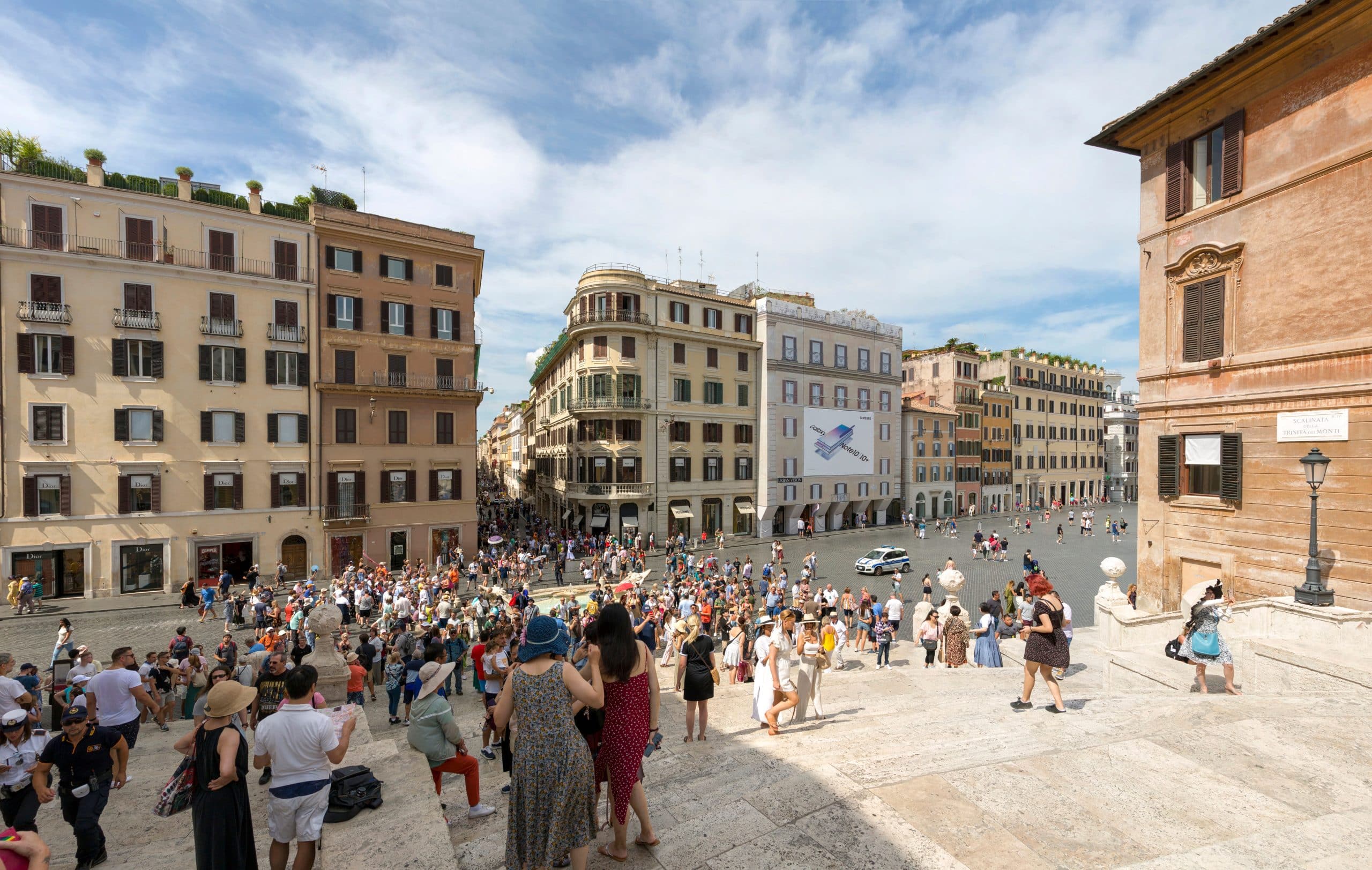
An Erasmus in Rome is unlike any other: your daily walk to class passes 2,000-year-old ruins, your lunch is the best carbonara of your life, and your evenings dissolve into aperitivo in a piazza. The Eternal City is the largest Erasmus destination in Italy, with a huge international student community and a student culture that thrives in its own distinct corners of the city.
This guide covers everything you need for a great exchange in Rome: the universities, the best neighbourhoods, what it costs, how the academic year works, and where the Erasmus community comes together.
Browse student accommodation in Rome
Why choose Rome for your Erasmus?
Rome offers a student experience with no real equivalent: a living museum of a city, a vast university ecosystem, world-class food, and a famously social, outdoor culture. It’s the biggest Erasmus hub in Italy, so the international community is enormous and the support structures — orientation weeks, student associations, language tandems — are well developed.
The trade-offs are those of any big, ancient capital: it’s large and spread out, public transport can be patchy compared with northern European cities, and the housing market is competitive and among the priciest in Italy. Planning your neighbourhood around your campus matters a lot here.
Universities in Rome for Erasmus students
Rome’s universities are spread across distinct parts of the city, and where you study should shape where you live.
Sapienza Università di Roma
One of the oldest and largest universities in Europe, and the single biggest Erasmus destination in Italy — it hosts over 3,000 incoming exchange students a year through its Hello Sapienza office. Its main campus, the Città Universitaria, sits in the San Lorenzo area, which is why that’s the classic student district.
Università Roma Tre
A large, modern public university anchored around the Ostiense and Marconi areas in the south of the city, with a growing list of English-taught degrees. Garbatella and Testaccio are natural neighbourhoods for its students.
LUISS and the international universities
LUISS, a leading private university for economics, law and political science, is near Parioli and Prati. The English-language international universities — John Cabot and the American University of Rome (AUR) — cluster around Trastevere, making it a hub for English-speaking exchange students. Tor Vergata, in the eastern suburbs, also takes international students.
Uniplaces insight: Rome’s universities are genuinely scattered — Sapienza in San Lorenzo, Roma Tre in Ostiense, LUISS in Prati/Parioli, the international unis in Trastevere. A cheap room across the city from your faculty can mean an hour each way, so always pin your campus on a map before choosing a neighbourhood.
Best neighbourhoods for Erasmus students in Rome
Each Roman quartiere has its own character, and the right one depends on your university and budget.
San Lorenzo is the classic student district — right by Sapienza, full of bars, markets and vintage shops, with rents lower than central areas. Pigneto is the trendy, alternative neighbourhood with great nightlife and among the most affordable rooms. Trastevere is the postcard-pretty, lively heart of international student life — beautiful but pricey. Testaccio is historic and foodie, close to Roma Tre and well-connected. Nomentano / Piazza Bologna is residential, quieter and good value near Sapienza’s satellite faculties. Prati is elegant and safe near the Vatican, popular with LUISS students.
Uniplaces insight: Rome is one of Italy’s priciest cities for student housing, and the market is competitive — start searching 3 to 4 months ahead. Always check whether utenze (utilities) and spese condominiali (building fees) are included. For platform comparisons and scam-avoidance tips, see our guide to the best websites to find student accommodation in Rome.
Cost of living in Rome for students
Rome is one of the more expensive Italian cities for students, though still reasonable by Western European capital standards. Most students spend between €800 and €1,200 a month, with rent the dominant cost.
As a rough monthly guide:
- Rent: a room in a shared flat typically runs €500–€800; cheaper in San Lorenzo and Pigneto, pricier in Trastevere and Prati. Budget rooms further out can start around €350.
- Utilities (utenze): add roughly €60–€100 if not included, usually split with flatmates.
- Groceries: around €200–€300, with local markets and supermarkets like Conad and Lidl keeping costs down.
- Transport: the ATAC network covers metro, bus and tram, with affordable monthly and student passes.
- Eating out: pizza al taglio and an aperitivo are cheap staples; a sit-down trattoria meal costs more.
The academic year and key dates
Italian universities run two semesters. Sapienza and most Rome universities open the first semester in late September and the second semester in early March, with exam sessions between and after teaching blocks. Exact dates vary by university and faculty, so check your host institution’s official calendar.
Sapienza and others run orientation weeks and welcome activities for exchange students, with student associations like ESN Rome organising trips and aperitivos from day one.
Uniplaces insight: With the September intake driving peak demand in an already pricey market, arriving with a confirmed room is a big advantage. Booking a verified place from abroad means you skip house-hunting across a sprawling city in your first, busiest week.
Erasmus social life in Rome
Rome’s Erasmus scene is one of the largest in Europe. ESN Rome and university student associations run a constant calendar of parties, weekend trips, language exchanges and aperitivo nights, and the sheer number of international students makes it easy to build a circle fast.
Beyond organised events, the city does the rest: aperitivo culture, late-night gelato, San Lorenzo and Pigneto nightlife, and weekends spent exploring the Colosseum, the Vatican, Trastevere’s alleys and the city’s endless piazzas. Rome’s central location and airports make weekend trips around Italy and Europe easy and cheap.
Practical admin for your exchange
Sort these early:
- EHIC / health cover: EU students should bring a European Health Insurance Card; non-EU students usually need private insurance, often required for the visa.
- Visa and permesso di soggiorno: non-EU students staying over 90 days need a student visa and must apply for a permesso di soggiorno (residence permit) after arrival.
- Codice fiscale: an Italian tax code is essential for rental contracts and many everyday procedures.
- Bank and SIM: an EU-friendly bank account and a local SIM make daily life easier.
- Transport card: set up an ATAC pass early for cheaper metro, bus and tram travel.
Pros and cons of Erasmus in Rome
The upsides: the largest Erasmus community in Italy, an unmatched historic setting, incredible food, a vibrant social scene, English-taught options at several universities, and superb connections for travel.
The trade-offs: a large, spread-out city; public transport that can be unreliable; one of Italy’s pricier and more competitive housing markets; and the bureaucracy (permesso di soggiorno, codice fiscale) that comes with studying in Italy.
Frequently asked questions
How much money do I need per month for Erasmus in Rome?
Most students budget between €800 and €1,200 a month, with rent the biggest cost. Sharing a flat in San Lorenzo or Pigneto keeps it affordable; central areas like Trastevere push the budget up.
When should I start looking for accommodation?
About 3 to 4 months ahead. Rome’s market is competitive and among the priciest in Italy, so book early and always check whether utilities are included. See our guide to finding accommodation in Rome.
Do I need to speak Italian?
Several universities — especially the international ones and Roma Tre — offer English-taught degrees, and you’ll manage socially in English. But Italian helps enormously with admin (and daily Roman life), so some basics go a long way.
Which neighbourhood is best for Erasmus students?
San Lorenzo for Sapienza and classic student life; Pigneto for trendy and affordable; Trastevere for the international scene (if you can afford it); Testaccio for Roma Tre; Prati for LUISS. Match your area to your campus.
Is Rome’s public transport good?
It’s serviceable but less reliable than in northern European cities — the metro is limited and buses can be irregular. This is exactly why living near your campus, or on a direct line to it, makes such a difference.
Still planning your move?
Find your Erasmus home in Rome →