
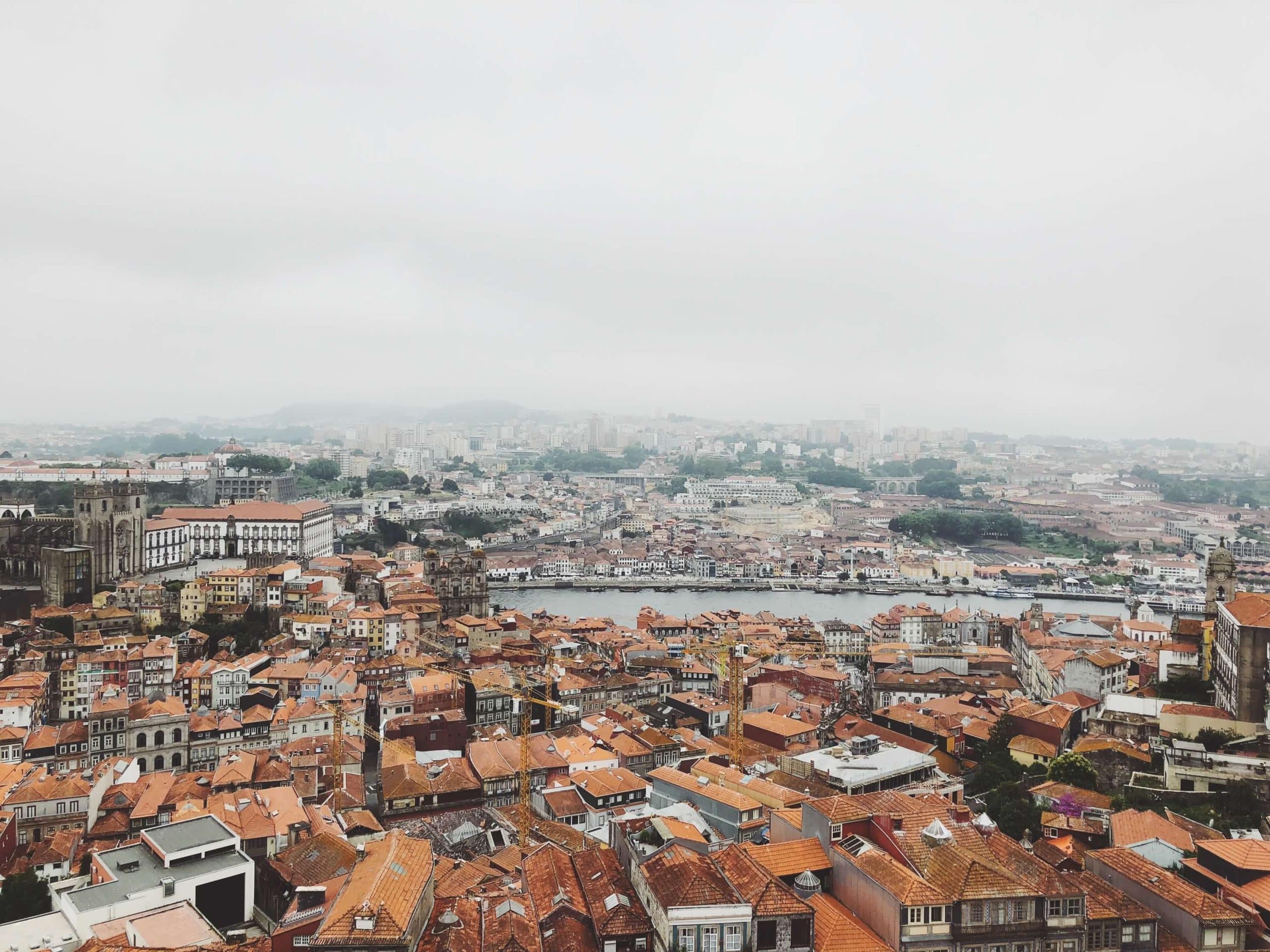
Porto wins people over fast. Portugal’s second city is smaller and more intimate than Lisbon, with tiled façades, vintage trams, a dramatic river gorge and a café culture that invites you to slow down. It’s also more affordable, has a strong and welcoming student community, and packs a surprising amount into a compact, walkable footprint.
This guide covers everything you need for a great exchange in Porto: the universities, the best neighbourhoods, what it costs, how the academic year works, and where the Erasmus community comes together.
Browse student accommodation in Porto
Why choose Porto for your Erasmus?
Porto offers a lot of what makes Lisbon appealing — sunshine, river views, great food, friendly people — at a noticeably lower cost and a gentler pace. It’s compact enough to know quickly, has a mild climate year-round, and sits close to both Atlantic beaches and the spectacular Douro Valley wine region. The student community is tight-knit and international, and English is widely spoken.
The main quirks: the city is genuinely steep, so walking everywhere can be tiring, and while it’s cheaper than Lisbon, rents have risen in recent years and good rooms still go quickly before term.
Universities in Porto for Erasmus students
Porto’s student life centres on the University of Porto, one of Portugal’s most prestigious institutions and a major Erasmus destination.
Universidade do Porto (U.Porto)
The largest university in Portugal by student numbers, U.Porto spreads across three campus poles. The biggest concentration of faculties is at the Asprela (Paranhos) pole in the north of the city — engineering (FEUP), medicine, sciences and more — which is why that area is the heart of student life. Other faculties, including humanities and fine arts, sit closer to the centre. U.Porto offers a wide range of programmes and a large Erasmus intake, with many courses available to international students.
Several polytechnic and private institutions also host international students, adding to the city’s student population.
Uniplaces insight: Most U.Porto faculties cluster at the Asprela pole in Paranhos, walking distance from each other. If you’re studying there, living in Paranhos or nearby means a short walk or metro ride to class — while central neighbourhoods like Cedofeita put you closer to nightlife but a little further from campus.
Best neighbourhoods for Erasmus students in Porto
Porto’s neighbourhoods range from buzzing student zones to historic riverside districts.
Paranhos (Asprela) is the student district — walking distance to most faculties, with the most affordable rents and plenty of residences and flatshares. Cedofeita is the most popular choice among Erasmus students: bohemian, artsy, full of independent cafés and bars, with good metro links and a great balance of price, atmosphere and location. Bonfim is up-and-coming — cheaper, edgy, close to the centre and well-connected. Baixa (downtown) puts you in the historic heart, beautiful but busier and pricier. Foz do Douro is the upscale seaside area for those who prioritise the coast over budget.
Uniplaces insight: Porto’s market moves fast and rents have climbed, so start searching 2 to 3 months ahead. Paranhos and Bonfim are among the most affordable areas; Foz and Baixa the priciest. For platform comparisons and scam-avoidance tips, see our guide to the best websites to find student accommodation in Porto.
Cost of living in Porto for students
Porto is one of the more affordable student cities in Western Europe — roughly 15–20% cheaper than Lisbon across the board. Most students spend between €750 and €1,100 a month, with rent the biggest expense.
As a rough monthly guide:
- Rent: a room in a shared flat commonly runs €300–€500, with Paranhos and Bonfim among the cheaper areas.
- Utilities: budget for electricity, water and internet on top if not included, usually split with flatmates.
- Groceries: around €150–€250, with Continente, Pingo Doce and Lidl the budget options.
- Transport: the Andante card covers metro and bus affordably, with student discounts.
- Eating out: the prato do dia is excellent value, and a francesinha is a Porto rite of passage.
The academic year and key dates
Portuguese universities run two semesters. The first semester typically runs from mid-September to January (with exams in January/February); the second semester from February to June or July. Exact dates vary, so check U.Porto’s official academic calendar.
Welcome and orientation events for exchange students take place before term, alongside the student-run Erasmus welcome activities.
Uniplaces insight: The September intake is the tightest moment in Porto’s market. Arriving with a confirmed room — ideally booked from abroad through a verified platform — saves you from house-hunting up and down Porto’s steep streets in your first week.
Erasmus social life in Porto
Porto’s Erasmus scene is lively and well-organised, with ESN and other student groups running weekly parties, language exchanges, surf trips and weekend getaways throughout the semester. Because the city is small and the student community concentrated, it’s easy to meet people fast.
Daily life revolves around the café and tasca culture, riverside walks in Ribeira, sunset over the Luís I Bridge, and the port wine cellars across the river in Vila Nova de Gaia. The beaches at Foz and Matosinhos are a tram or metro ride away, and Porto’s airport makes cheap weekend flights around Europe easy. The Douro Valley — one of the world’s oldest wine regions — is a classic day trip.
Practical admin for your exchange
Sort these early:
- EHIC / health cover: EU students should bring a European Health Insurance Card; non-EU students usually need private insurance, often required for the visa.
- Visa: non-EU students staying over 90 days generally need a student visa or residence permit arranged before or shortly after arrival.
- NIF: a Portuguese tax number is essential for renting and many everyday procedures.
- Bank and SIM: an EU-friendly bank account and a local SIM make daily life easier.
- Transport card: get an Andante card set up early for cheap metro and bus travel.
Pros and cons of Erasmus in Porto
The upsides: very affordable by Western European standards, a compact and characterful city, a strong student community, great food and wine, beaches and the Douro nearby, and an airport with cheap European connections.
The trade-offs: steep hills that make walking tiring, rising rents and a fast-moving housing market, and rainier winters than southern Portugal.
Frequently asked questions
How much money do I need per month for Erasmus in Porto?
Most students budget between €750 and €1,100 a month — around 15–20% less than Lisbon. Rent is the biggest cost, and sharing a flat in Paranhos or Bonfim keeps it affordable.
When should I start looking for accommodation?
About 2 to 3 months ahead. Porto’s market moves fast and rents have risen, so book early. A verified room reserved before arrival is the safest route — see our guide to finding accommodation in Porto.
Do I need to speak Portuguese?
English is widely spoken and many courses are available in English, so you’ll manage. That said, a Portuguese tax number (NIF) and some basic Portuguese help a lot with admin and daily life.
Which neighbourhood is best for Erasmus students?
Paranhos is best for proximity to campus and budget; Cedofeita is the most popular for atmosphere; Bonfim offers value and an emerging scene; Baixa and Foz are pricier. Check the route to your faculty first.
Is Porto cheaper than Lisbon?
Yes — roughly 15–20% cheaper across rent, food and going out. Over a full year that difference adds up significantly, which is part of why Porto is such a popular Erasmus choice.
Still planning your move?
Find your Erasmus home in Porto →