
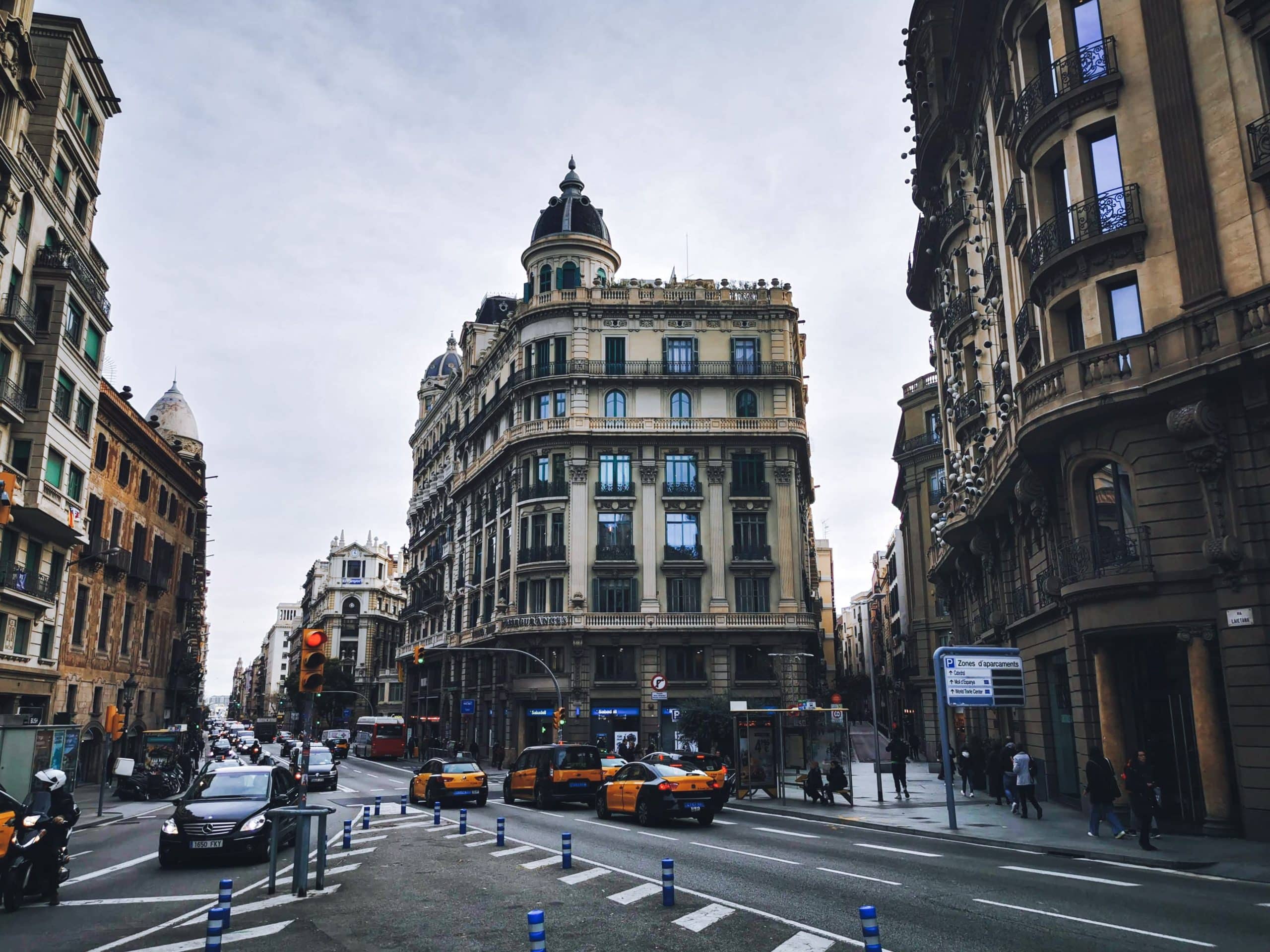
Barcelona is the kind of city people extend their Erasmus to stay in. Where else can you finish a morning lecture and be on the beach by lunch? The Catalan capital pairs world-class universities with Gaudí architecture, a Mediterranean climate, and a creative, international energy that makes it one of the most sought-after exchange destinations on the continent.
This guide covers everything you need to plan a great semester or year in Barcelona: the universities, the neighbourhoods, what it costs, how the academic year works, and where the Erasmus community comes together.
Browse student accommodation in Barcelona
Why choose Barcelona for your Erasmus?
Barcelona offers a rare combination: a major European city with the beach inside it. Barceloneta is a short metro ride from most campuses, and the city’s grid layout, extensive metro and bike-sharing make getting around genuinely easy. It’s also one of Europe’s fastest-growing startup and design hubs, which adds an extra layer for students in tech, business and the creative fields.
For Erasmus students, the draw is the lifestyle as much as the academics: sunshine, sea, architecture, and a huge international community. The main catch is housing — Barcelona’s rental market is fierce, and good rooms disappear fast — so an early, well-organised search is essential.
Universities in Barcelona for Erasmus students
Barcelona is home to several of Spain’s most prestigious universities, and they’re among the largest senders and receivers of Erasmus students in Europe.
Universitat de Barcelona (UB)
The most comprehensive and highest-ranked university in Catalonia, with its historic main building at Plaça Universitat, on the edge of the Eixample and the Old City. UB has one of the largest Erasmus+ networks in Europe, with hundreds of partner universities, and campuses spread across the city for different faculties.
Universitat Pompeu Fabra (UPF)
A smaller, highly international public university with a strong reputation in economics, communication and social sciences. Its main campuses sit near the sea, around Ciutat Vella and Poblenou, making those neighbourhoods natural student bases.
Universitat Autònoma de Barcelona (UAB)
Strong in sciences and social sciences, UAB’s main campus is at Bellaterra, outside the city. Students who study here usually live near a Ferrocarrils (FGC) train line — in areas like Gràcia or Eixample — or on campus at the large Vila Universitària residence.
Universitat Politècnica de Catalunya (UPC)
Catalonia’s leading engineering and technology university, with campuses around the Diagonal area in the north of the city. ESADE and IESE, two of Europe’s top business schools, also draw international students to the region.
Uniplaces insight: Campus location matters more in Barcelona than in most cities, because the universities are genuinely spread out. UB and UPF are central; UAB and ESADE are outside the city on the FGC train lines. Check your exact campus on a map before choosing a neighbourhood — a central room is no good if your faculty is 40 minutes away in Bellaterra.
Best neighbourhoods for Erasmus students in Barcelona
Barcelona’s barris each have a distinct feel, and the right one depends on your campus and your budget.
Eixample is central, well-connected and full of modernist architecture, restaurants and nightlife — a reliable all-rounder for most universities. Gràcia has a relaxed, artsy, village-like atmosphere with leafy squares and a strong student community, and good FGC links for UAB and ESADE. El Raval and the rest of Ciutat Vella (the Old City) are bohemian, multicultural and minutes from the UB main building and UPF. Poblenou is the up-and-coming seaside-tech district near UPF, with a more modern, spacious feel. Sants offers better value while staying well-connected to UB.
Uniplaces insight: Barcelona’s rental market is one of the most competitive in Europe — good rooms can be gone within hours of listing. Don’t wait until August for a September start. Booking a verified room in advance, from abroad, is the safest way to avoid both the rush and the scams that target international students.
Cost of living in Barcelona for students
Barcelona is one of the pricier Spanish cities, comparable to Madrid, but still more affordable than the UK or Northern Europe. Most students spend between €800 and €1,300 a month, with rent the dominant cost.
As a rough monthly guide:
- Rent: a room in a shared flat typically runs €500–€750; studios start around €800 and climb past €1,200.
- Utilities (gastos): budget an extra €50–€100 if not included, usually split with flatmates.
- Groceries: around €150–€250, with Mercadona, Lidl and local markets keeping costs down.
- Transport: the T-usual pass gives unlimited Zone 1 travel for about €40/month; Bicing bike-share is cheaper still for short daily rides.
- Eating out: a menú del día set lunch is widely available and good value.
The academic year and key dates
Catalan universities follow the standard two-semester structure. The autumn semester generally runs from mid-September to January, with exams before or just after the winter break; the spring semester runs from February to June. Exact dates differ between universities, so check your host institution’s official academic calendar.
Most universities hold welcome and orientation sessions for exchange students in the days before term starts. Attending these is the easiest way to meet other new arrivals and get oriented in your first week.
Uniplaces insight: Because demand peaks sharply around the September intake, secure your accommodation before you arrive rather than house-hunting on the ground. Landing with a confirmed room means you can focus on settling in during your first, busiest week.
Erasmus social life in Barcelona
Barcelona’s Erasmus scene is enormous and well-organised. ESN (Erasmus Student Network) chapters at the main universities run trips, beach days, language exchanges and parties throughout the semester, and there’s a constant calendar of international student events across the city.
Outside organised events, the city itself is the draw: beach afternoons in Barceloneta, tapas and vermut in Gràcia, sunset at Bunkers del Carmel, markets like La Boqueria, and a nightlife that runs from beach clubs to the bars of El Born and the Gothic Quarter. Weekend trips to the Costa Brava, Montserrat or even the Pyrenees are all easy from the city.
Practical admin for your exchange
Sort these early to make your arrival smoother:
- EHIC / health cover: EU students should bring a European Health Insurance Card; non-EU students usually need private insurance, often required for the visa.
- Visa: non-EU students staying over 90 days generally need a student visa arranged before arrival.
- Empadronamiento: registering at the local town hall (the padró in Catalan) helps with some paperwork and longer stays.
- Bank and SIM: an EU-friendly bank account and a local SIM make daily life easier.
- Transport card: get a T-usual or T-jove set up early to travel cheaply from day one.
- Catalan and Spanish: Catalan is co-official; you’ll get by in Spanish and English, but a few Catalan phrases go a long way locally.
Pros and cons of Erasmus in Barcelona
The upsides: top-ranked universities, the beach and the mountains within reach, brilliant weather, a thriving tech and design scene, superb food, and a vast international community.
The trade-offs: one of the most competitive and expensive rental markets in Spain, scams that target international students, and a busy tourist-city feel in the centre that some find overwhelming. The spread-out university campuses also mean location planning is essential.
Frequently asked questions
How much money do I need per month for Erasmus in Barcelona?
Most students budget between €800 and €1,300 a month, with rent being the largest cost. Sharing a flat keeps things affordable; a private studio pushes you towards the upper end and beyond.
When should I start looking for accommodation?
As early as possible — Barcelona’s market is one of the fastest-moving in Europe, and good rooms can go within hours. For a September start, don’t wait until August. Booking a verified room before you arrive is the safest route.
Do I need to speak Spanish or Catalan?
You’ll manage with Spanish and English, and many programmes are taught in English. Catalan is co-official and widely used locally, so a few phrases help, but it’s not a barrier to studying or socialising.
Which neighbourhood is best for Erasmus students?
It depends on your campus. Eixample and Ciutat Vella suit UB and UPF; Gràcia and areas near FGC lines work for UAB and ESADE; Poblenou is handy for UPF. Always check the distance to your specific faculty before committing.
Is Barcelona safe for students?
Barcelona is generally safe, but it’s a major tourist city, so pickpocketing in crowded areas and on the metro is the main thing to watch. Standard city-sense — keeping an eye on your belongings — is enough for the vast majority of students.
Still planning your move?
Find your Erasmus home in Barcelona →