
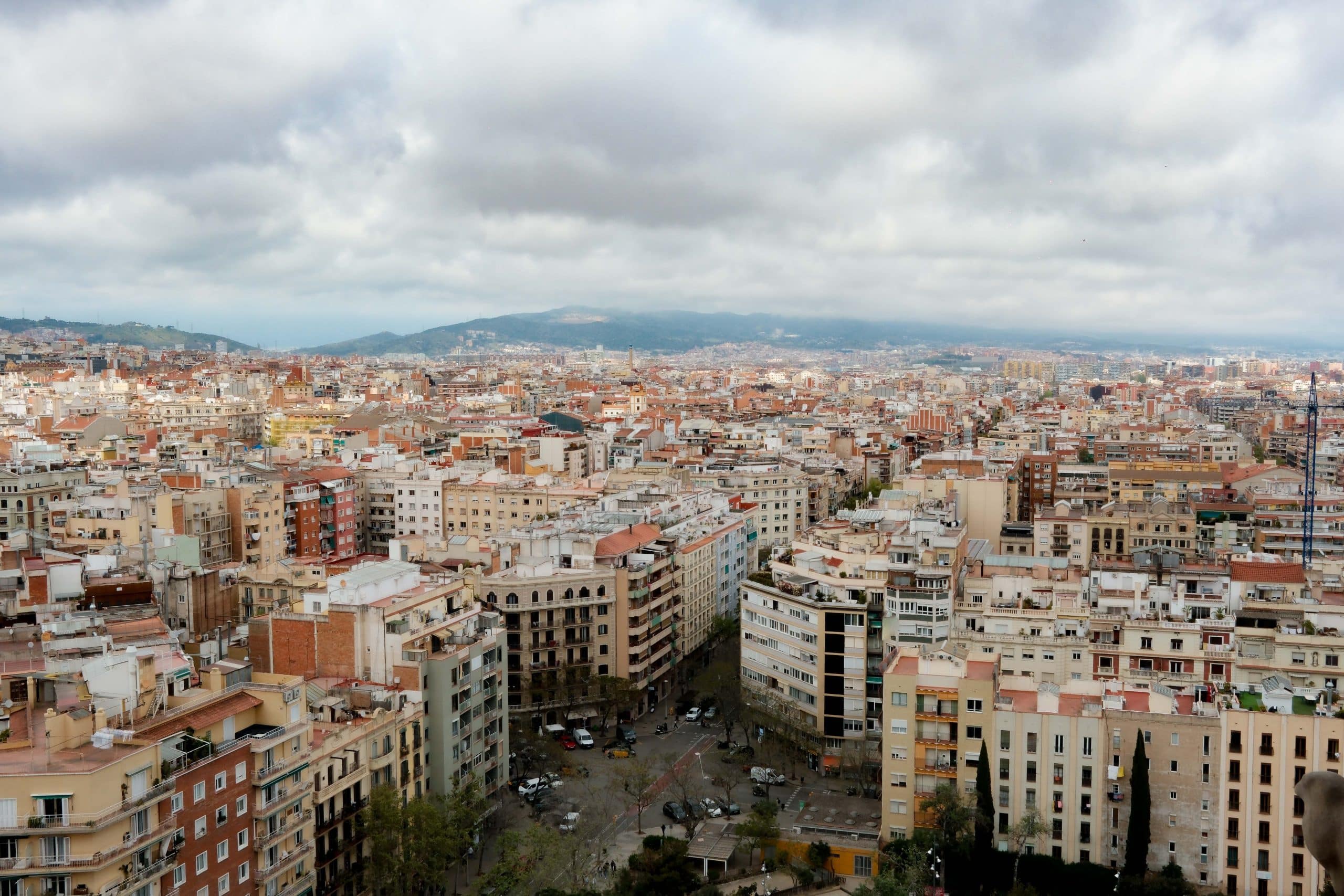
Barcelona is one of Spain’s most popular student cities — and also one of its priciest, alongside Madrid. The good news is that even in a sought-after Mediterranean capital, smart budgeting can stretch a student grant a long way. The Catalan capital offers excellent public transport, abundant supermarkets, a strong outdoor culture and plenty of free things to do.
This guide breaks down the cost of living in Barcelona in 2026 by category, with realistic numbers and city-specific tips for students and international tenants.
Browse verified student accommodation in Barcelona
The total monthly budget at a glance
Most international students in Barcelona spend between €850 and €1,400 a month, depending on lifestyle. The breakdown looks roughly like this:
- Rent (room in shared flat): €400–€750
- Utilities (electricity, water, gas, internet): €80–€130
- Groceries: €200–€300
- Public transport: €20–€40
- Eating out and going out: €100–€250
- Personal and miscellaneous: €50–€100
A student living in a shared flat in a non-central neighbourhood, cooking most meals at home, lands around €850–€1,000. A more central room with a few nights out and regular café visits pushes the budget to €1,200–€1,400. A private studio in the centre easily takes the total over €1,500.
Rent and accommodation
Rent is the dominant cost in Barcelona — typically 40–55% of a student’s monthly budget. Prices vary significantly by neighbourhood:
- Shared room (most common student choice): €400–€750, depending on location, size and whether bills are included.
- Studio apartment: €800–€1,200+ in central neighbourhoods; outer areas can be €700–€950.
- One-bedroom apartment: €1,200–€1,800+ in central neighbourhoods.
- Student residences: €600–€1,200+ depending on amenities (gym, study rooms, cleaning services).
By neighbourhood, the rough picture for shared rooms:
- Eixample, Gràcia, El Born: central, well-connected, popular — typically €550–€750.
- El Raval, Sant Antoni: central and lively, often €500–€700.
- Sants, Poble-sec: better value with good connections — €450–€650.
- Poblenou: trendy seaside-tech district, €500–€750.
- Outer districts (Horta, Sant Andreu): €400–€550.
Uniplaces insight: Always check whether gastos (utilities) and fianza (deposit) are included or extra. A “”€500 room”” with bills excluded often becomes €580–€620 once electricity, water and internet are added — and the deposit is typically one to two months’ rent on top.
Utilities (gastos)
If utilities aren’t included, expect to add per person in a shared flat:
- Electricity and gas: €30–€60 (higher in winter for heating)
- Water: €10–€15
- Internet: €10–€20 (split between flatmates)
- Mobile phone: €10–€20 with providers like Yoigo, Pepephone, Lowi, Simyo
Total: roughly €80–€130 per month per person. Heating costs spike from November to March, when even mild Mediterranean winters can push electricity bills up.
Groceries
Spain has some of the more affordable grocery prices in Western Europe. Most students budget €200–€300 a month if they cook most meals at home.
Common supermarket chains and their pricing tier:
- Mercadona: the student staple — excellent quality at low prices.
- Lidl, Aldi, Dia: deep budget options.
- Carrefour, Bonpreu: mid-range with wider selection.
- El Corte Inglés Supermercado: premium prices.
- Local markets (Boqueria, Sant Antoni, Santa Caterina): great for fresh produce; price varies.
Eating out is also reasonable: a menú del día (set lunch with starter, main, dessert and drink) typically runs €12–€15 in working-class neighbourhoods, €15–€20 in central areas. A coffee is €1.50–€2.50, a beer €2–€4, a casual dinner out €15–€25.
Public transport
Barcelona’s public transport (metro, bus, tram, suburban trains under the integrated TMB/ATM system) is excellent value:
- T-jove (under-25 pass): around €40 for 3 months of unlimited Zone 1 travel — the best deal if you qualify.
- T-usual (monthly): roughly €20–€40 for unlimited Zone 1.
- T-casual (10 single trips): ~€12.
- Bicing (public bikes): annual subscription around €50, ideal for a flat, bike-friendly city.
For most students living and studying within Zone 1, the T-jove (if eligible) or T-usual covers everything they need. Note that the exact fares are updated each year by the ATM (Autoritat del Transport Metropolità) — check the current price before subscribing.
Going out and leisure
Barcelona rewards budget-conscious socialising:
- Coffee in a café: €1.50–€2.50
- Beer in a bar: €2.50–€4 (more in tourist zones)
- Casual dinner with a drink: €15–€25
- Club entry: €10–€20, often with a drink included
- Cinema: €7–€10, with cheap days mid-week
- Gym: €25–€45/month (some chains offer student discounts)
Much of Barcelona’s best entertainment is free or very cheap: the beach, the parks (Parc de la Ciutadella, Montjuïc), Bunkers del Carmel for sunset, and the city’s many free museum nights and Sundays.
Uniplaces insight: Many of Barcelona’s main museums (Picasso Museum, MNAC, CCCB and others) are free on the first Sunday of the month or after specific evening hours. Plan museum visits around those windows and you’ll save €40+ a month easily.
Money-saving tips for students in Barcelona
- Get a T-jove if you’re under 25. €40 for 3 months of unlimited transport is unbeatable.
- Shop at Mercadona, Lidl and local markets. Avoid centrally-located supermarkets aimed at tourists.
- Eat the menú del día. Lunch is the cheap meal in Spain; €12–€15 buys you a full three-course meal with drink.
- Use Bicing. The flat city centre is perfect for bikes; an annual Bicing subscription pays for itself in two months.
- Look outside the central postcards. Sants, Poble-sec, Horta and Sant Andreu offer real savings on rent with minimal commute trade-off.
- Use your student card. Most cultural venues offer 30–50% off with a valid student ID; the ISIC card extends discounts internationally.
- Avoid airport taxis. The Aerobús (€7) or the R2 Nord train (€5) gets you into the centre in 30–40 minutes.
- Beach instead of bar. Sunset picnics on Barceloneta are free, social and unbeatable.
Frequently asked questions
How much money do I need to live in Barcelona as a student?
Most students budget between €850 and €1,400 a month all-in. A shared room in a non-central neighbourhood with home cooking lands around €900–€1,000; a more central lifestyle with regular socialising pushes towards €1,300–€1,400.
Is Barcelona expensive compared to other Spanish cities?
Yes — Barcelona and Madrid are the most expensive student cities in Spain. Valencia, Granada and Seville are typically 20–35% cheaper, especially on rent. But Barcelona’s public transport and grocery costs are competitive within the country.
How much is rent for a room in Barcelona?
A room in a shared flat typically runs €400–€750, with most students paying €500–€650. Studios start around €800 and go up sharply in central areas. Always confirm whether utilities (gastos) are included or extra.
What’s the best public transport pass for students?
If you’re under 25, the T-jove at around €40 for 3 months of unlimited Zone 1 travel is by far the best deal. Otherwise, the T-usual monthly pass is the standard option. Bicing (€50/year for public bikes) is a strong complement.
How much do groceries cost per month?
Around €200–€300 a month for a student cooking most meals at home, shopping at Mercadona, Lidl or local markets. Heavy reliance on takeaways and prepared meals can push this to €350+.
Is it cheaper to live in a shared flat or a student residence?
Generally a shared flat is cheaper, with rooms from €400–€750. Student residences offer convenience (utilities, cleaning, social activities included) but cost €600–€1,200+ and rarely beat a well-located WG-style flatshare on price.
Still planning your move?
Find verified student accommodation in Barcelona →