
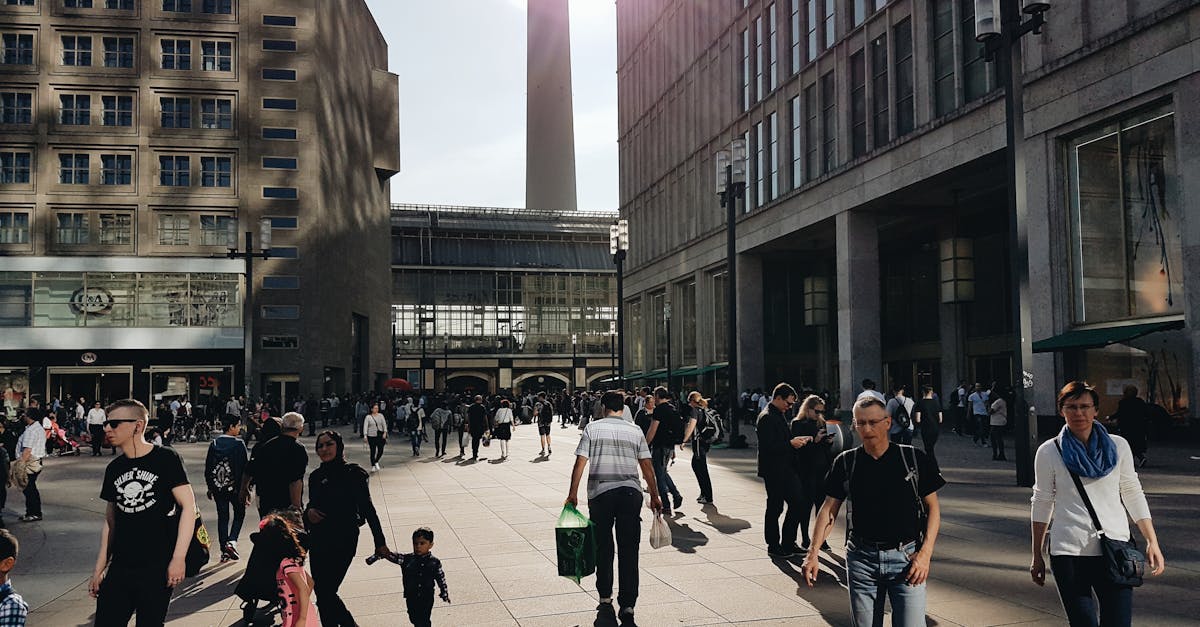
Moving to Berlin brings excitement and new opportunities, but understanding local Berlin etiquette can make the difference between feeling like an outsider and truly belonging in this vibrant city.
German customs shape daily life in Berlin, from the way people greet each other to how they separate their trash. These unwritten rules might seem subtle at first, but they form the foundation of respectful social interactions and professional relationships in the city.
This guide walks you through essential German customs for expats, including:
- Proper greetings and social interactions
- Punctuality expectations
- Tipping practices
- Dining etiquette
- Gift-giving traditions
- Environmental responsibilities
- Public behavior norms
- Cultural sensitivities
- Language considerations
Whether you’re starting a new job, making friends, or simply trying to navigate daily life, understanding these customs helps create positive connections with locals. Let’s explore the key elements of Berlin social etiquette that will help you feel at home in your new city.
Learn more about Berlin’s cultural landscape at Visit Berlin
1. Greetings in Berlin
Mastering greetings in Berlin sets the tone for meaningful social connections and professional relationships. The ritual of greeting carries significant weight in German culture, reflecting respect and social awareness.
Business Settings:
- A firm handshake with direct eye contact is standard
- Address colleagues with “Herr” (Mr.) or “Frau” (Mrs.) followed by their surname
- Use “Sie” (formal ‘you’) until invited to use the informal “du”
Social Situations:
- Friends often greet with a light hug or kisses on the cheek
- Young people typically use informal “du” immediately
- Groups say “Hallo” or “Hi” in casual settings
Public Spaces:
- Enter shops with “Guten Tag” or “Guten Morgen”
- Leave with “Auf Wiedersehen” or “Tschüss” (informal)
- Acknowledge service staff – it’s considered polite
Professional Meetings:
- Arrive 5-10 minutes early
- Greet each person individually
- Wait for superiors to initiate handshakes
- Exchange business cards with both hands
Learn more about Berlin social customs at Berlin.de
These greeting customs help create positive first impressions and build strong relationships in both personal and professional spheres.
2. Punctuality Expectations
Time is highly valued in Berlin’s social culture. The German saying “Pünktlichkeit ist eine Tugend” (punctuality is a virtue) reflects the strong cultural importance placed on being on time. For Berliners, being punctual means arriving 5-10 minutes early.
Here’s what punctuality means in different Berlin settings:
- Business Meetings: Arrive 10 minutes before the scheduled time
- Doctor’s Appointments: Check in 15 minutes early for paperwork
- Social Gatherings: Show up at the exact time specified
- Public Transportation: Plan to catch the train/bus before your intended one
Being late can harm professional relationships and social connections. If you’re late to a theater performance in Berlin, you’ll have to wait until intermission to enter. Job interviews usually won’t start if candidates arrive late, no matter their qualifications or reasons.
The culture of punctuality also applies to service delivery. You can expect repair technicians, delivery services, and administrative appointments to begin exactly on time. This precision creates a dependable rhythm to city life, enabling Berliners to organize their days effectively.
3. Tipping Culture in Berlin
Unlike many countries, Berlin’s tipping culture reflects a balanced approach between appreciation and necessity. Service workers in Berlin receive fair wages as part of their employment, making tips a gesture of gratitude rather than an essential income source.
The standard tipping range in Berlin restaurants sits between 5-10% of your bill. Here’s a practical guide to tipping across different services:
- Restaurants & Cafes: Round up the bill or add 5-10% for good service
- Bars: €1-2 per drink or 5% of the total bill
- Taxis: Round up to the nearest euro or add 5%
- Food Delivery: €1-2 per delivery
When paying by card, tell the server the total amount you’d like to pay including the tip. For cash payments, simply state “stimmt so” (keep the change) if you want to leave the remaining amount as a tip.
A unique aspect of Berlin’s tipping culture is the direct handover of tips. Rather than leaving money on the table, hand it directly to your server – this personal gesture reinforces the cultural value of acknowledging good service.
Learn more about Berlin’s dining customs
4. Dining Etiquette
German dining etiquette follows specific social codes that might surprise newcomers to Berlin. A fundamental rule is waiting for everyone at the table to receive their food before taking the first bite. This practice shows respect and creates a shared dining experience.
Key dining customs to remember:
- Keep your hands visible on the table, but avoid placing elbows on it
- Cut food with the fork in your left hand and knife in your right
- Place your knife and fork parallel on the plate when finished eating
- Never start eating before the host says “Guten Appetit“
Making eye contact during toasts carries special significance in Berlin’s dining culture. When raising glasses, look directly into each person’s eyes while saying “Prost” – a tradition believed to bring good fortune. Missing eye contact might seem trivial, but Germans consider it bad luck and potentially rude.
Restaurant behavior tips:
- Signal servers by making eye contact rather than waving
- Place your napkin on your chair if leaving temporarily
- Keep conversation volumes moderate to respect other diners
These dining norms help create a pleasant atmosphere and show consideration for fellow diners, essential aspects of Berlin’s restaurant culture.
5. Gift Giving Customs
Gift giving plays a vital role in German social interactions. When visiting a German home, bringing a thoughtful gift demonstrates respect and appreciation for your host.
Appropriate Gift Options:
- Flowers (odd numbers only, avoid 13)
- Quality wine or spirits
- Artisanal chocolates
- Small handicrafts from your home country
- Books related to the host’s interests
Gifts to Avoid:
- Red roses (reserved for romantic occasions)
- Lilies or chrysanthemums (associated with funerals)
- Unwrapped presents
- Overly expensive items that might cause discomfort
Germans typically open gifts immediately upon receiving them, expressing genuine gratitude for the gesture. This custom allows the gift-giver to witness the recipient’s reaction and share in their joy.
Building relationships with locals through gift-giving requires understanding the cultural significance behind each gesture. A well-chosen gift can spark meaningful conversations and create lasting connections. Many Germans appreciate learning about other cultures through thoughtful presents that reflect the giver’s heritage or homeland.
Remember to remove price tags and present your gift with both hands – these small details reflect mindfulness and respect for German customs.
6. Environmental Awareness
Germany’s commitment to environmental sustainability influences everyday life in Berlin. The city’s green initiatives go beyond basic recycling – they’re integrated into urban living.
Waste Management System
Berlin has a comprehensive waste management system that encourages residents to separate their waste properly. Here are the different bins used for waste disposal:
- Yellow Bin (Gelber Sack): Used for packaging materials and plastics
- Blue Bin (Papier): Used for paper and cardboard
- Brown Bin (Bio): Used for food waste and organic materials
- Black Bin (Restmüll): Used for general waste
- Glass Collection Points: Separate containers for clear, brown, and green glass
Energy Conservation
Berlin apartments often include energy-saving features to promote energy conservation. Some common features found in these apartments are:
- Motion-sensor lights in common areas
- Double-glazed windows
- Smart heating systems with programmable thermostats
Sustainable Transportation
The city actively promotes eco-friendly transportation options to reduce carbon emissions. Here are some initiatives taken by Berlin to encourage sustainable mobility:
- Extensive bike lanes and bike-sharing programs
- Efficient public transport network
- Car-free zones in city centers
- Electric vehicle charging stations
Not following these environmental practices can lead to fines or social disapproval. Many apartment buildings have clear guidelines posted about waste separation, and neighbors might kindly remind you if they notice improper sorting.
Learn more about Berlin’s environmental initiatives:
7. Public Behavior Norms
Public spaces in Berlin have specific social rules that reflect German values of order and respect. The city’s residents maintain a calm, composed demeanor in shared spaces – a practice known as “Ruhekultur” (quiet culture).
Key Public Behavior Guidelines:
- Keep conversations at a low volume on public transport, in restaurants, and waiting rooms
- Avoid phone calls in quiet zones or enclosed public spaces
- Stand on the right side of escalators to let others pass on the left
- Wait for passengers to exit trains and elevators before entering
Personal space is very important in Berlin’s social fabric. Germans typically maintain an arm’s length distance during conversations with strangers and acquaintances. This respect for privacy extends to social interactions:
- Refrain from asking personal questions about salary, relationship status, or political views
- Avoid prolonged eye contact with strangers
- Don’t photograph people without their explicit permission
- Keep physical contact minimal – handshakes suffice for most situations
These unwritten rules create a respectful atmosphere where everyone can coexist comfortably in Berlin’s bustling urban environment.
8. Cultural Sensitivity
Living in Berlin requires a deep understanding of Germany’s complex history and its impact on modern society. Certain topics demand careful consideration and respect in daily conversations.
Sensitive Topics to Navigate:
- Nazi history and World War II discussions
- East-West German division
- Political extremism
- Religious beliefs and practices
- Immigration debates
Germans approach these subjects with gravity and thoughtfulness. The country’s commitment to remembrance culture (Erinnerungskultur) shapes many social interactions and public discourse.
Respectful Communication Guidelines:
- Let Germans lead discussions about historical events
- Avoid casual references to the Nazi period
- Skip Holocaust-related jokes or comparisons
- Respect memorial sites and their significance
- Listen and learn from local perspectives
The German constitution protects human dignity as its highest value – this principle guides social interactions. Many Germans appreciate foreigners who show interest in understanding their history while maintaining appropriate sensitivity.
Local attitudes toward social justice, equality, and human rights stem directly from historical experiences. This awareness helps expats build meaningful connections with German colleagues and friends.
9. Language Considerations
Learning basic German phrases creates meaningful connections in Berlin. While many Berliners speak English fluently, using German in daily interactions shows respect for local culture and often leads to warmer responses.
Essential German Phrases for Daily Life:
- “Danke” (Thank you)
- “Bitte” (Please/You’re welcome)
- “Entschuldigung” (Excuse me)
- “Sprechen Sie Englisch?” (Do you speak English?)
The effort to speak German, even with mistakes, demonstrates cultural awareness and a desire to integrate. Locals appreciate this initiative, making them more likely to help and engage in conversation. This appreciation extends beyond basic transactions – many Berliners will switch to English if needed, but they value the initial German greeting.
Learn more about German language basics
Quick Language Tips:
- Start conversations in German
- Learn proper pronunciation of common words
- Practice with language exchange groups
- Download language learning apps for daily practice
- Join local language meetups
Discover language exchange groups in Berlin
Conclusion
Integrating into Berlin life goes beyond following a set of rules – it’s about embracing the cultural fabric that makes this city unique. These customs reflect Berlin’s values: respect for others, environmental consciousness, and genuine human connections. By practicing these etiquette guidelines, you’ll find yourself naturally becoming part of the city’s vibrant community.
Your efforts to understand and respect German customs will open doors to meaningful friendships and professional relationships. Each interaction becomes an opportunity to deepen your connection with Berlin’s culture and its people.
Helpful Resources: