
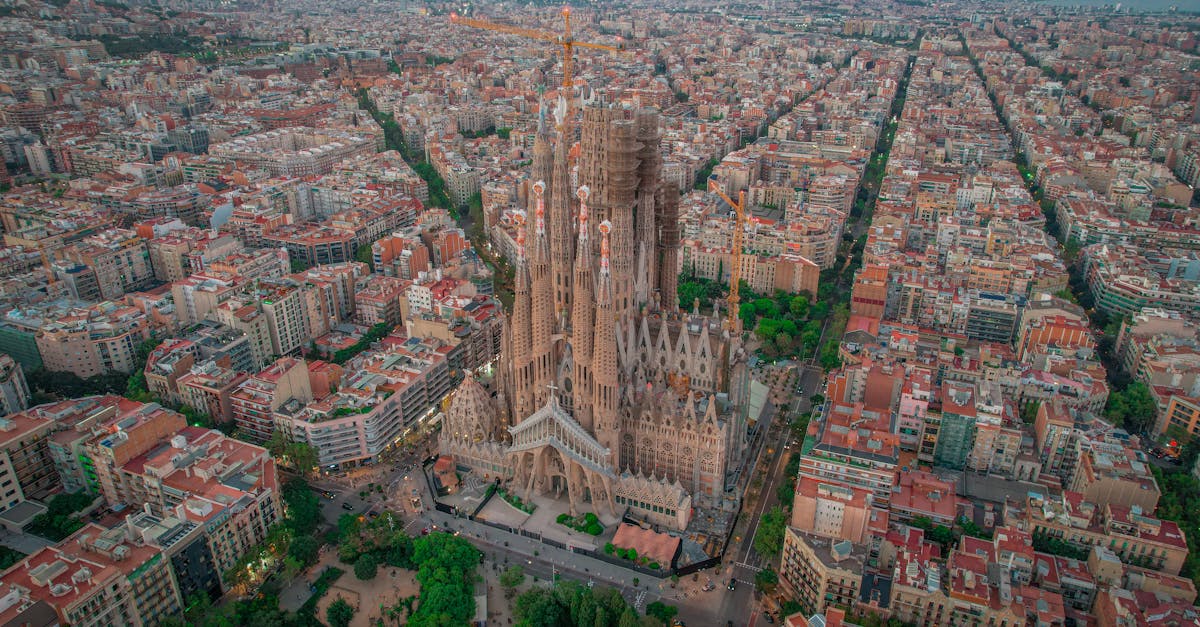
Barcelona is a vibrant Mediterranean city made up of neighborhoods with very distinct identities. From historic quarters and local markets to creative districts, beaches, and modern residential areas, each neighborhood offers a different way of experiencing life in the Catalan capital.
Whether you’re a student, a young professional, or moving to Barcelona for the first time, understanding the city’s neighborhoods is a key step before choosing where to live. To truly understand daily life beyond logistics, exploring local customs, traditions, and social rhythms helps newcomers integrate more naturally, alongside practical factors such as housing options and connectivity. This guide explores Barcelona’s most popular areas, combining lifestyle insights with accommodation considerations to help you decide where to settle.
Browse available accommodation in Barcelona
1. Understanding Barcelona’s Neighborhoods
Barcelona’s neighborhoods reflect a balance between tradition, creativity, and quality of life. Some areas are known for nightlife and culture, while others stand out for residential calm, green spaces, or proximity to the beach.
Gràcia
Gràcia is known for its bohemian atmosphere, village-like feel, and strong local identity. Independent cafés, small squares, and creative spaces make it especially popular with students, creatives, and young professionals.
Living in Gràcia:
Housing in Gràcia mainly consists of rooms in shared apartments and smaller flats. Demand is high due to the neighborhood’s lifestyle and central location, so accommodation tends to rent quickly throughout the year.
Discover Gràcia: Barcelona’s Hidden Gem with a Village Vibe
Barri Gòtic (Gothic Quarter)
The Gothic Quarter is the historic heart of Barcelona, characterised by narrow medieval streets, iconic landmarks, and constant activity. It offers a very central lifestyle surrounded by culture and tourism.
Living in the Gothic Quarter:
Accommodation here is mostly made up of smaller apartments in older buildings. The area attracts short-term renters, international students, and newcomers looking to live in the city centre, although noise and tourism can be factors to consider.
El Raval
El Raval is one of Barcelona’s most multicultural neighborhoods, known for its artistic scene, cultural institutions, and diverse community. It sits just next to the city centre while offering a more alternative and urban atmosphere.
Living in El Raval:
Often more affordable than neighbouring central areas, El Raval attracts students, creatives, and budget-conscious renters. Housing options mainly include rooms in shared flats, with a mix of renovated and older buildings.
Exploring El Raval: Barcelona’s Hidden Gem
El Born
El Born combines historic charm with a trendy, creative lifestyle. Its central location, design boutiques, galleries, and cafés make it one of the most sought-after neighborhoods in Barcelona.
Living in El Born:
Accommodation in El Born usually consists of rooms, studios, and compact apartments. Prices are generally higher due to popularity and location, making it popular with young professionals and international residents.
Eixample
Eixample is known for its wide avenues, elegant architecture, and well-organised urban layout. Designed in a grid pattern, it offers a more spacious and structured way of living compared to Barcelona’s historic districts, while remaining very central.
Living in Eixample:
Accommodation in Eixample mainly consists of apartments and shared flats in classic buildings, often with balconies and higher ceilings. The neighborhood is popular with young professionals, international residents, and couples looking for comfort, good transport connections, and proximity to shops, offices, and services.
10 Reasons Why Eixample is the Best Neighborhood for Architecture Lovers
Barceloneta
Barceloneta stands out for its seaside lifestyle and strong local character. Located right next to the Mediterranean, this former fishing district is known for its long sandy beach, lively atmosphere, and traditional seafood restaurants.
Living in Barceloneta:
Housing options mainly include rooms, studios, and compact apartments, often in older buildings close to the beach. Barceloneta is popular with students and young professionals who want to live by the sea while staying within walking distance of the city centre.
The Coastal Charm of Barceloneta: A Beach Lover’s Paradise
Poblenou
Poblenou is a former industrial area that has transformed into one of Barcelona’s most modern and residential neighborhoods. Close to the beach and home to many tech companies, it offers a more spacious and relaxed lifestyle.
Living in Poblenou:
Flats here tend to be larger and more modern compared to central districts. Poblenou is popular with professionals, remote workers, and couples looking for comfort, proximity to the
2. Daily Life in Barcelona Neighborhoods
Social Life and Nightlife
Barcelona’s daily rhythm is shaped by its Mediterranean lifestyle. Days are active and social, with evenings often spent outdoors in terraces, bars, or cultural venues.
- Gràcia and El Born are known for lively evenings and local bars
- El Raval offers a diverse and alternative cultural scene
- Poblenou provides a calmer social life, with more space and fewer crowds
These differences often influence where people choose to live, depending on whether they prefer vibrant nightlife or a more residential pace.
Local Communities and International Residents
Barcelona attracts a large international population. Neighborhoods like Gràcia, El Raval, and El Born are popular with students and expats, while Poblenou often appeals to professionals and long-term residents.
This mix directly affects accommodation availability and demand, especially around the start of the academic year and peak relocation periods.
3. Food, Markets, and Everyday Life
Food is central to everyday life across Barcelona’s neighborhoods.
- Gràcia: local cafés, bakeries, and neighbourhood bars
- El Raval: international cuisine from around the world
- El Born: trendy restaurants and gourmet spots
Local markets such as Mercat de l’Abaceria (Gràcia) or Mercat de Sant Antoni (near El Raval) are important meeting points for residents and often influence where people choose to live.
4. Culture, Green Spaces, and Urban Balance
Barcelona combines dense urban life with easy access to nature and culture.
- The city centre offers quick access to museums and historic landmarks
- Parks such as Parc de la Ciutadella or Montjuïc provide green spaces for relaxation
- Coastal areas near Poblenou allow residents to combine city life with beach access
Living close to parks, the sea, or cultural hubs is often a deciding factor for those seeking balance between activity and comfort.
5. Choosing the Right Neighborhood to Live in Barcelona
| Neighborhood | Best for | Typical housing |
| Gràcia | Students, creatives | Shared apartments |
| El Raval | Budget-conscious, multicultural | Rooms, shared flats |
| El Born | Central living, young professionals | Rooms, studios |
| Eixample | Professionals, central comfort | Apartments, shared flats |
| Barceloneta | Beach lovers, active lifestyle | Rooms, studios |
| Poblenou | Professionals, comfort | Apartments, modern flats |
Each neighborhood offers a different mix of lifestyle, budget, and housing options:Understanding these differences helps narrow down the areas that best match your lifestyle before starting your accommodation search.
Understanding neighborhood life is only one part of settling in the city — this broader guide to living in Barcelona helps newcomers navigate costs, culture, and daily life beyond location alone. By combining neighborhood knowledge with a clear idea of your budget and daily priorities, you’ll be better prepared to find suitable accommodation — and a place that truly feels like home in Barcelona.