
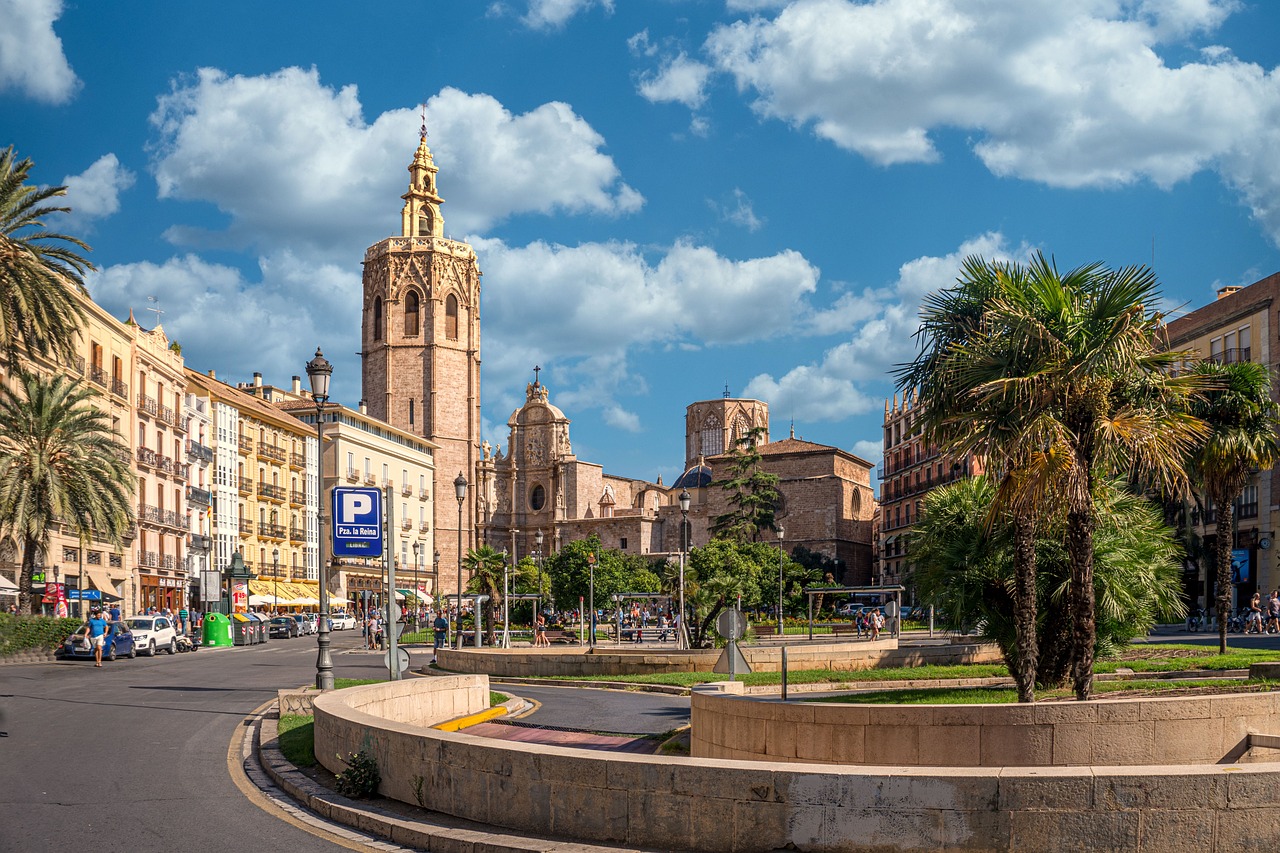
Valencia is a city that offers readers a deeper understanding of its cultural fabric through an exploration of local customs, traditions, and everyday lifestyle practices. The cost of living in Valencia is relatively affordable for expats, making it an attractive place to settle down. The currency in Valencia, as in the rest of Spain, is the Euro.
The unique charm of Valencia lies in its seamless blend of tradition and modernity. Ancient festivals coexist with contemporary art scenes, creating a dynamic environment. Whether you’re curious about the best neighborhoods to stay in Valencia or eager to dive into local traditions, this article provides insights into the local lifestyle and traditions of Valencia. For those looking to connect these cultural insights with practical considerations like neighborhoods, costs, and daily logistics, a broader guide to living in Valencia offers a helpful next step.
Expect to learn about:
- Festivals that define Valencia’s spirit
- Local culinary delights and traditional eating habits
- Architectural marvels shaping the city’s culture
- Practical tips for embracing expat life
Join us on this journey through Valencia living and discover what makes this city so special.
1. Festivals That Define Valencia’s Spirit
Las Fallas stands out as one of Valencia’s most iconic celebrations. Recognized by UNESCO as an Intangible Cultural Heritage, this festival showcases the artistry and creativity of locals who build giant cardboard dolls called ninots. The climax of Las Fallas is the Cremà ceremony, where these sculptures are set ablaze in a spectacular display of fire and fireworks. The entire community participates, creating an atmosphere filled with excitement and camaraderie.
The Moros y Cristianos festival offers a vibrant reenactment of Spain’s historical battles between Moors and Christians. Participants dress in elaborate costumes, accompanied by music and theatrical performances that narrate the story of the Reconquista. This festival reflects Valencia’s rich cultural tapestry and its historical roots.
Another significant event is the Magdalena festivities, which honor the founding of Castellón de la Plana, a nearby city. This celebration includes parades, traditional music, and local cuisine, deeply connecting participants to their heritage. The Magdalena festivities highlight the city’s origins and provide a sense of continuity with the past.
These festivals not only entertain but also preserve Valencia’s cultural identity. Each event brings different narratives, traditions, and a sense of community, making them essential to understanding the spirit of Valencia.
2. A Taste of Tradition: Eating Like a Local in Valencia
One of the most delightful aspects of the Valencia lifestyle is the mid-morning snack known as Almuerzo. This traditional culinary practice often substitutes for breakfast and takes place between 10 a.m. and 11 a.m.
What to Eat During Almuerzo
Common dishes during Almuerzo include an array of delicious options:
- Tapas: Small plates meant for sharing, featuring items like olives, patatas bravas, and grilled calamari.
- Spanish sausages: Such as chorizo, often served alongside bread.
- Bocadillos: Hearty sandwiches filled with ingredients like tortilla española or jamón.
The Social Significance of Almuerzo
The social aspects of Almuerzo culture make it more than just a meal. It’s a time for friends, family, and colleagues to gather in local bars, fostering a sense of community. This daily ritual not only satisfies hunger but also strengthens social bonds, reflecting the warm and communal spirit of Valencian life.
3. Gastronomic Delights: Exploring Valencia’s Culinary Landscape
Valencia’s Central Market is a shining example of the city’s lively food scene. Housed in a stunning Art Nouveau building, this market is a treat for the senses. With more than 1,200 stalls, visitors can discover a wide range of offerings including fresh seafood, locally sourced fruits and vegetables, artisanal cheeses, and cured meats.
Traditional Dishes Unique to Valencia
Here are some traditional dishes that are unique to Valencia:
- Paella: Originating from Valencia, this famous rice dish often includes rabbit, chicken, and a variety of beans.
- Horchata: A refreshing drink made from tiger nuts, perfect for cooling down on a hot day.
- Fideuà: Similar to paella but made with noodles instead of rice.
Valencia’s culinary scene is a reflection of its rich history and modern lifestyle. The traditional cuisine tells stories of centuries gone by while also incorporating contemporary culinary influences. This fusion of old and new can be seen in both street food vendors and high-end restaurants.
By exploring these gastronomic delights, you can gain a deeper understanding of the local way of life and traditions in Valencia. The city’s food culture is deeply intertwined with its historical narrative yet constantly evolving, showcasing its vibrant spirit.
4. Architectural Wonders Shaping Local Culture
Valencia proudly showcases its rich heritage through stunning architectural landmarks. The Silk Exchange (La Lonja de la Seda) stands as a majestic example of Gothic architecture. Built in the 15th century, this UNESCO World Heritage Site reflects Valencia’s historical wealth and importance in the silk trade. The structure’s intricate carvings and soaring columns are not only a visual delight but also a testament to the city’s artistic and economic prowess.
Historical landmarks like the Silk Exchange have a profound impact on local customs and everyday life. Festivals and markets often take place around these iconic sites, creating vibrant community hubs. For instance, Las Fallas festivities frequently incorporate historic settings, blending old traditions with contemporary celebrations.
The diverse neighborhoods in Valencia Spain play a crucial role in shaping cultural practices. Each area has its unique flair, reflecting the city’s eclectic mix of influences:
- El Carmen: Known for its medieval charm and street art.
- Ruzafa: A trendy district with a bustling nightlife.
- El Cabanyal: Famous for its colorful fisherman’s houses and maritime culture.
Understanding these neighborhoods provides insights into local lifestyle and traditions of Valencia. This deep dive into the city’s cultural fabric reveals why many find Valencia an appealing destination. With its blend of history, modernity, and vibrant communities, it answers the question: Is Spain good place to live? For many expats, Valencia is indeed a delightful choice.
5. Embracing Expat Life in Valencia: A Guide for Newcomers
Living expenses in Valencia are often cited as quite affordable, especially compared to other major European cities like Barcelona or Madrid. Expats can find housing options that fit various budgets:
- Renting an apartment: Prices range from €500 to €1000 per month depending on location and size.
- Utilities: Monthly costs for electricity, heating, cooling, water, and garbage collection typically hover around €120.
Transportation is both efficient and budget-friendly. The city offers a robust public transport system including buses, trams, and metro services. A monthly pass costs approximately €40.
Daily expenses such as groceries are also manageable:
- Eating out: A meal at an inexpensive restaurant costs around €10.
- Groceries: Weekly grocery shopping can be done for about €30 to €50.
Valencia is often touted as the best place for expats to live due to its vibrant culture and welcoming atmosphere. The blend of modern amenities with rich traditions makes it an appealing destination. Locals are known for their friendliness, making it easy for newcomers to feel at home.
Another significant advantage is Valencia’s affordability. Unlike pricier cities, you can enjoy a high quality of life without breaking the bank. This balance of cost-effectiveness and cultural richness makes Valencia a top choice for those looking to relocate.
The city’s lifestyle is deeply intertwined with its customs and gastronomy, reflecting a blend of historical significance and contemporary social practices.
Conclusion: Your Journey Awaits in Valencia!
Exploring the cultural practices and daily life of Valencia offers a deeper understanding of this vibrant city. Dive into the insights into local lifestyle and traditions of Valencia:
- Discovering festivals, from Las Fallas to Magdalena, is key to experiencing the city’s spirit.
- Savoring the local gastronomy, whether through an Almuerzo or a visit to the Central Market, connects you with Valencian culture.
- Visiting architectural wonders like the Silk Exchange reveals historical depth and modern vibrancy.
Experiencing these aspects firsthand can enhance your time as a visitor or resident. The best neighborhoods in Valencia offer unique perspectives on everyday life. Whether you’re enjoying street festivals or dining on traditional dishes, each moment enriches your journey. Embrace the rich traditions and lifestyle that make Valencia unique. Your adventure in this culturally rich city awaits!