
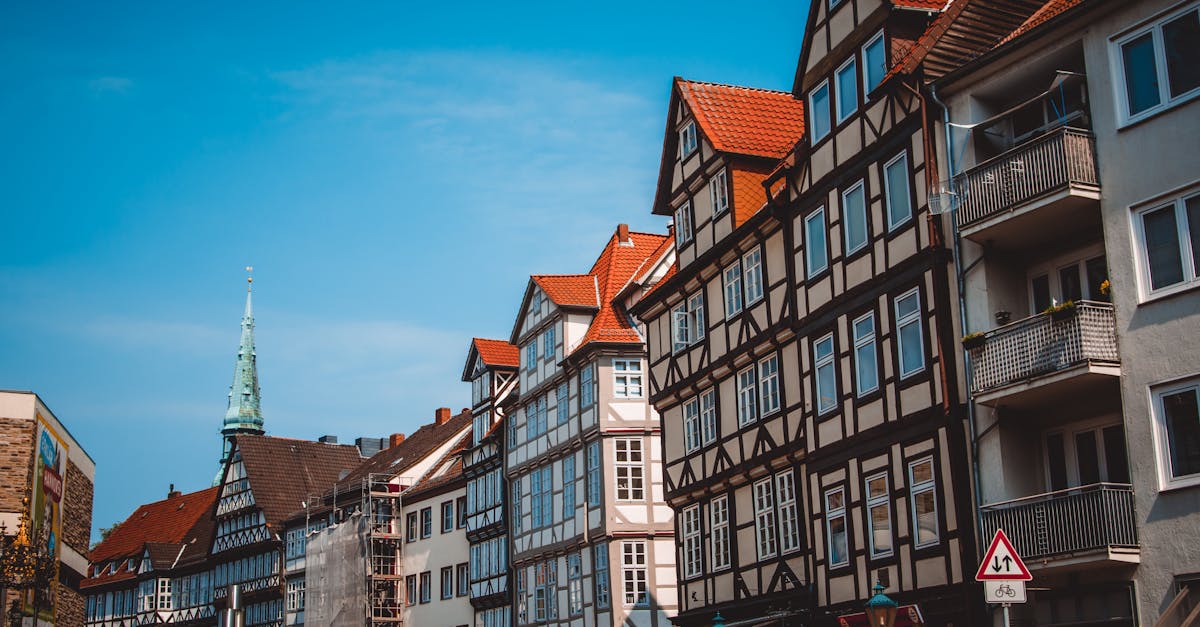
Germany is known for its strong protection of tenant rights, with laws in place to safeguard renters throughout the country. The rental system in Germany combines strict rent control measures with robust protections for tenants, creating a stable housing environment for millions of people.
Key Features of Tenant Protection in Germany
The main features of tenant protection in Germany include:
- Mietpreisbremse (Rent Brake Law): This law limits rent increases and protects tenants from sudden price hikes.
- Long-Term Rental Contracts: Many rental agreements in Germany are designed to be long-term, providing stability for tenants.
- Security of Tenure: Tenants have the right to remain in their homes even if the property changes ownership, unless there are valid reasons for eviction.
Why Understanding Your Rights as a Tenant Matters
Knowing your rights as a tenant in Germany is crucial for several reasons:
- Protecting Yourself from Unfair Rent Increases: Understanding the rules around rent control can help you challenge any unjustified increases.
- Maintaining Long-Term Housing Security: By being aware of your rights, you can ensure that you have a stable place to live over the long term.
- Resolving Disputes with Landlords Effectively: If conflicts arise with your landlord, knowing the legal framework can empower you to negotiate or seek legal recourse.
- Accessing Available Support Systems: Familiarity with tenant rights may also lead you to resources such as tenant associations or legal aid services that can provide assistance when needed.
Current Trends Impacting the German Rental Market
Recent developments in the German rental market underscore the significance of these protections:
- Rising Demand in Urban Areas: Cities like Berlin and Munich have seen an influx of people moving in, driving up demand for rental properties.
- Increasing Pressure on Affordable Housing: As more individuals and families seek affordable housing options, it becomes imperative to protect existing tenants from displacement.
- New Challenges from Digital Platforms: Online platforms offering short-term rentals pose potential threats to long-term rentals, necessitating regulations that safeguard tenant interests.
- Evolving Regulations to Address Market Changes: The government is continuously adapting laws and policies to respond effectively to shifts within the rental market.
The German rental landscape is constantly evolving due to social and economic factors. However, tenant protection remains a top priority in housing policy decisions. These regulations not only impact individual living situations but also shape broader societal dynamics where renting plays an integral role.
The Rental Market Landscape in Germany
Germany is known for having a large population of renters, with around 50% of people choosing to rent their homes instead of owning them. This unique situation has a significant impact on the rental housing market and also affects tenant rights in Germany.
Regional Differences in Rental Rates
The rental landscape varies across different regions:
- Urban areas like Berlin, Munich, and Hamburg show rental rates reaching up to 85%
- Mid-sized cities maintain an average of 60% rental occupancy
- Rural areas display lower rental percentages, averaging 40%
Living Conditions for Renters
Living conditions for renters in Germany typically include:
- Average apartment size: 75 square meters
- Shared facilities in many buildings (laundry rooms, bike storage)
- Well-maintained properties with regular inspections
- Long-term rental agreements as the standard
Cultural Attitude Toward Renting
The cultural attitude toward renting in Germany differs significantly from many other countries. Germans view renting as a legitimate, long-term housing solution rather than a temporary step toward homeownership. This perspective has deep historical roots, dating back to post-war reconstruction efforts that established a strong rental market.
Priorities of the German Rental Culture
The German rental culture prioritizes:
- Stability and security in housing
- Professional property management
- Strong community building among neighbors
- Investment in rental property maintenance
- Quality living standards for tenants
This cultural emphasis on renting has created a market where both landlords and tenants benefit from clear regulations and mutual respect, fostering a sustainable housing ecosystem.
Current Challenges Faced by Renters
German renters face mounting pressures in today’s housing market. Major cities like Berlin and Munich have seen dramatic rent increases, with average costs rising by 37% between 2015-2020. Despite strict rent control laws in Germany, finding affordable housing remains a significant challenge.
Key issues affecting renters include:
- Severe Housing Shortages: Popular urban areas struggle with limited housing stock, driving up competition and prices
- Gentrification: Rapid neighborhood development pushes long-term residents out of their communities
- Income-Rent Gap: Average salaries haven’t kept pace with rising rental costs
The COVID-19 pandemic introduced new challenges for renters. While tenant rights in Germany provided some protection through temporary eviction bans and rent deferrals, many renters accumulated debt during this period. The pandemic also intensified housing inequalities:
- Increased demand for larger living spaces due to remote work
- Rising utility costs as people spent more time at home
- Limited ability to view properties during lockdowns
- Reduced income affecting rent payment capabilities
These challenges have sparked debates about strengthening existing protections and introducing new measures to support renters in Germany’s evolving housing market.
Understanding Tenant Protection Laws in Germany
The German Civil Code (Bürgerliches Gesetzbuch – BGB) is the foundation of tenant protection laws in Germany. This comprehensive legal framework outlines specific rights and obligations for both landlords and tenants, creating a balanced rental environment.
Key Legal Provisions Every Renter Should Know:
- Written Contracts – While verbal agreements are legally valid, written contracts protect both parties by clearly stating terms and conditions
- Security Deposits – Landlords can request up to 3 months’ rent as security deposit, which must be held in a separate interest-bearing account
- Maintenance Responsibilities – Landlords must handle structural repairs and maintain building systems, while tenants manage minor repairs and daily upkeep
- Rent Increases – Strict regulations limit rent increases to specific circumstances and amounts, protecting tenants from sudden cost spikes
The BGB also establishes crucial tenant rights:
- Right to withhold rent for serious maintenance issues
- Protection against arbitrary eviction
- Freedom to make minor modifications to living spaces
- Right to sublet with landlord approval
These legal safeguards reflect Germany’s commitment to stable, long-term housing relationships. The BGB’s provisions ensure tenants can create lasting homes while maintaining property owners’ interests. Recent amendments have strengthened these protections, particularly in areas experiencing housing shortages.
Limitations on Rent Increases: A Closer Look at Rent Control Measures
Germany’s rent control laws establish clear boundaries for rent increases through the Mietpreisbremse system. This framework relies on local reference rents (Mietspiegel) – a database of average rental prices for comparable properties in specific neighborhoods.
Key Rent Control Measures
Key rent control measures include:
- The 10% Rule: Landlords can’t set new rental prices more than 10% above the local reference rent
- Annual Increase Cap: Existing tenants are protected by a 15% cap on rent increases over three years
- Modernization Limits: Landlords can pass on up to 8% of modernization costs to tenants annually
Additional Restrictions in Areas with Housing Shortages
In areas with housing shortages, additional restrictions apply. Stuttgart serves as a prime example:
- Rent increases limited to 3.9% annually
- Mandatory 12-month notice for rent increases
- Special protection zones (Erhaltungssatzungsgebiete) where property conversions require approval
Factors Considered in Determining Local Reference Rent
The local reference rent system considers:
- Property location
- Size and condition
- Age of building
- Recent renovations
- Available amenities
These measures aim to maintain affordable housing while allowing reasonable returns for property owners. Cities can designate areas as having tight housing markets, triggering stricter rent control measures for up to five years.
Navigating Lease Agreements and Termination Policies as a Tenant in Germany
Lease agreements in Germany offer strong tenant protections through specific legal frameworks. The standard rental contract type is the unlimited or open-ended lease (unbefristeter Mietvertrag), giving tenants long-term housing security.
Key Elements of German Lease Agreements
- Written documentation of all terms and conditions
- Clear specification of rental amount and payment schedule
- Detailed description of the rental property
- Assignment of maintenance responsibilities
- Rules regarding property modifications
Notice Periods for Lease Termination:
- Tenants must provide 3 months’ notice
- Notice must be submitted in writing
- Termination date must fall on the last day of a calendar month
Landlords face stricter regulations when ending lease agreements. They can only terminate contracts under specific circumstances:
- Non-payment of rent for two consecutive months
- Significant breach of contract terms
- Personal need of the property for themselves or immediate family
- Property demolition or major renovation plans
- Tenant’s persistent disruptive behavior
German law requires landlords to provide extended notice periods based on the tenancy duration:
- 3 months for tenancies under 5 years
- 6 months for tenancies between 5-8 years
- 9 months for tenancies over 8 years
These tenant rights remain protected even during property ownership changes. The legal principle “purchase does not break rent” (Kauf bricht nicht Miete) ensures existing lease agreements stay valid when properties are sold.
Social Housing and Its Role in Tenant Protections: Exploring the Influence of the Social Tenancy Model
Germany’s social housing system emerged in 1971 as a groundbreaking approach to affordable housing. The model introduced a revolutionary concept: housing as a fundamental right rather than a market commodity. This shift established a framework where public authorities actively participated in housing provision through subsidies and regulations.
Key Features of the Social Tenancy Model
The social tenancy model operates through:
- Direct government subsidies to housing developers
- Rent caps for social housing units
- Income-based eligibility requirements
- Long-term commitments to maintain affordable rents
Current Status and Challenges
Today’s social housing landscape presents a mixed picture. While the system continues to provide essential housing support, significant challenges have emerged:
- Social housing stock has decreased from 4 million units in 1987 to about 1.2 million in 2022
- Limited availability in major cities where demand is highest
- Long waiting lists for eligible applicants
- Aging infrastructure requiring renovation
The reduced availability of social housing units affects vulnerable populations disproportionately:
- Single parents
- Low-income families
- Students
- Elderly residents on fixed incomes
Local Authorities’ Response
Local authorities have responded by implementing new construction initiatives and exploring innovative funding models. Berlin’s recent commitment to build 200,000 new social housing units by 2030 represents a significant step toward addressing these challenges. Private-public partnerships have also emerged as a promising solution, combining government support with private sector efficiency.
Seeking Redress: Reporting Issues and Enforcing Your Rights as a Renter
German tenant protection laws establish clear procedures for addressing maintenance issues and seeking compensation. Here’s what you need to know about reporting problems and enforcing your rights:
Immediate Reporting Process:
- Document the issue with photos and written descriptions
- Notify your landlord in writing via registered mail (Einschreiben)
- Keep copies of all correspondence and proof of delivery
- Set a reasonable deadline for repairs (typically 2-4 weeks)
Common Issues Requiring Action:
- Heating or hot water failures
- Water damage or leaks
- Mold growth
- Broken appliances (if included in rental)
- Structural problems
- Pest infestations
Your Rights for Compensation:
- Rent reduction (Mietminderung) based on the severity of the issue
- Withholding a portion of rent until repairs are completed
- Filing complaints with local tenant associations
- Seeking legal assistance through tenant protection organizations
Rent Reduction Guidelines:
- 5-10% for minor issues
- 15-30% for moderate problems
- Up to 100% for severe cases making the property uninhabitable
If your landlord fails to address reported issues, you can take legal action through the local housing court (Amtsgericht). Many cities offer free legal consultation services through tenant associations (Mietervereine) to help navigate these processes effectively.
Remember to maintain detailed records of all communications and evidence of the issues. This documentation strengthens your position when seeking redress or pursuing legal action.
Recent Developments and Future Outlook on Rent Control Policies in Germany
Berlin’s ambitious rent freeze initiative in 2020 marked a significant shift in German housing policy. The Mietendeckel law aimed to freeze rents for five years, affecting 1.5 million apartments. This bold move sparked intense debate about rental market regulation across Germany.
The Federal Constitutional Court’s decision to overturn the rent freeze in April 2021 created ripples throughout the country’s housing sector. The court ruled that individual states lack authority to implement such extensive rent control measures, as housing policy falls under federal jurisdiction.
The aftermath of this ruling has shaped current rent control discussions:
- Cities now focus on alternative approaches to housing affordability
- Local governments explore creative solutions within federal legal boundaries
- Housing associations advocate for increased construction of affordable units
The Berlin case study influences future rent control policies:
- Policy Development: Cities adapt strategies to work within federal frameworks
- Legal Boundaries: Clear limits on state-level rent control measures
- Market Impact: Increased focus on sustainable, long-term solutions
Recent data shows rising interest in:
- Public-private partnerships for affordable housing
- Sustainable urban development projects
- Digital platforms for transparent rent pricing
These developments signal a shift toward collaborative approaches between government bodies, housing associations, and tenant organizations to address Germany’s evolving rental market challenges.
Housing Assistance Programs
Supporting Vulnerable Renters Through Financial Aid Schemes
Germany provides several housing assistance programs to support renters facing financial hardships. The Wohngeld (housing allowance) serves as the primary financial aid scheme, helping low-income households manage their rental costs.
Key housing assistance benefits include
- Monthly payments calculated based on:
- Household income
- Number of family members
- Local rent levels
- Living expenses
- Unemployment benefit recipients can access additional support through:
- Coverage of heating costs
- Rent subsidies
- Moving expense assistance
The Sozialwohnung (social housing) program offers affordable units with rent caps for eligible residents. Qualification depends on income thresholds set by individual states.
Local housing offices (Wohnungsamt) process applications and provide guidance on available aid options. Renters must submit documentation proving their income, expenses, and housing situation to receive assistance.
These financial aid schemes work alongside Germany’s tenant protection laws to create a comprehensive support system for vulnerable renters.