
Navigate France’s healthcare system: learn about public and private insurance options for expats to ensure top medical care and financial protection.
Introduction
France has a complete healthcare system that provides universal coverage and is mainly funded by taxes. This system allows expats to receive high-quality medical care, making it important to understand health insurance in France.
The French healthcare system is known for being efficient and easy to access. It offers both public and private choices. Expats need to learn about these options to ensure they get the best care possible, especially when moving to cities like Lyon, where healthcare services are integrated into the community.
Key takeaway: Understanding the different health insurance options in France is essential. It not only gives you access to excellent medical services but also protects you financially during your time here. This is especially relevant if you’re relocating to a new city like Marseille and need to manage both your health and housing costs efficiently.
If you want a faster starting point, begin with health insurance basics for expats.
Types of Health Insurance in France
Understanding the types of health insurance available in France is crucial for accessing quality medical care and ensuring financial protection. Here’s a breakdown of what you need to know about statutory and private health insurance options.
Statutory vs. Private Health Insurance
The French healthcare system is primarily supported by statutory health insurance (SHI), known as Sécurité Sociale. This public system covers:
- Hospital stays
- Doctor visits
- Long-term care
- Prescription drugs
Patients are responsible for coinsurance and copayments, which can add up quickly. On the other hand, private health insurance offers more comprehensive coverage but comes at a higher cost. Private plans often include access to private hospitals, specialized treatments, and quicker appointments—beneficial if you’re living in a busy city like Paris, where demand for healthcare services can be high.
Benefits of International Private Health Insurance
For expats, international private health insurance provides several advantages:
- Global Coverage: Access to medical care worldwide.
- Flexibility: Choose healthcare providers both in and out of France.
- Comprehensive Plans: Cover services not included in SHI, such as elective procedures.
This type of insurance is particularly beneficial for those frequently traveling or living abroad for extended periods, especially when you’re residing in cities that attract a lot of international residents, like Marseille.
Supplemental Private Insurance (Mutuelle)
Approximately 95% of the population in France also have supplemental private insurance, known as mutuelle. This type of insurance helps cover costs not fully reimbursed by SHI, including:
- Dental care
- Vision care
- Additional hospital fees
A mutuelle fills the gaps left by statutory coverage, ensuring minimal out-of-pocket expenses when accessing healthcare services. If you’re living in a place like Lyon, it’s particularly important to consider this option to manage your healthcare expenses effectively.
By understanding these various options, expats can make informed decisions about their medical insurance in France. This knowledge ensures that they receive adequate coverage and financial protection while navigating the French healthcare system.
Accessing Healthcare Services in France
Navigating the French healthcare system can feel daunting initially, but with a few tips, you’ll find it manageable and efficient.
Finding Hospitals and Clinics
When looking for a hospital in France or clinics, knowing where to start is crucial.
- Public Hospitals: These are generally well-equipped and offer a wide range of services. They are part of the national healthcare system.
- Private Clinics: Often provide specialized care and may have shorter wait times but can be more expensive unless covered by private insurance.
Using online resources like Doctolib or Ameli can help you locate nearby facilities. It’s wise to familiarize yourself with the nearest hospital and emergency departments before you need them, particularly if you’re new to an area like Paris and want to ensure you know where to go in case of an emergency.
Registering with a General Practitioner (GP)
Having a GP is vital for primary care access in France.
- Why Register?: Registering with a GP ensures continuous care and makes it easier to get referrals to specialists. It also reduces your out-of-pocket costs.
- How to Register?: To register, visit the GP’s office with your health card (Carte Vitale). Many GPs accept new patients, but some might not due to high demand.
Regular check-ups and consultations become more straightforward once you’re registered, making it easier to maintain your health while living in France, whether in Lyon or another city.
Understanding the Role of Pharmacies
Pharmacies in France play a significant role within the healthcare system. They are not just places to pick up prescriptions; they offer various services:
- Medication Management: Pharmacists can provide advice on medication usage and potential side effects.
- Minor Health Issues: For minor ailments like colds or allergies, pharmacists often recommend over-the-counter treatments.
- Vaccinations and Tests: Some pharmacies offer vaccinations and health tests, such as blood pressure checks.
Pharmacies are easy to find, marked by a green cross. It’s helpful to know that pharmacists in France undergo rigorous training, ensuring they provide knowledgeable support for your healthcare needs. This is particularly convenient if you’re staying in an urban area like Marseille, where pharmacies are readily accessible.
Understanding these elements helps you navigate the healthcare system in France effectively, ensuring you receive the best possible care during your stay.
Emergency Medical Care and Urgent Services
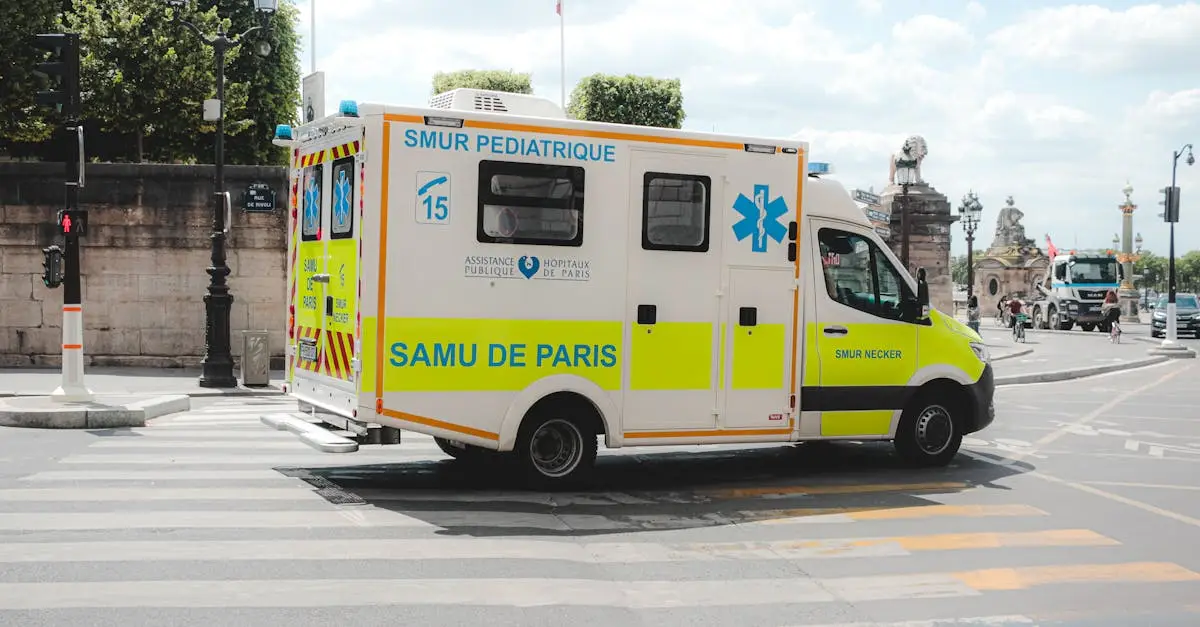
Emergency medical care in France is known for its efficiency and high standards. If you find yourself in a life-threatening situation, dial 15 for SAMU, the emergency medical service. Ambulance response times vary depending on location but are generally quick, especially in urban areas. Costs for ambulance services depend on the distance traveled and the level of care needed during transport. French statutory health insurance usually covers part of these costs; however, having supplemental private insurance can help reduce out-of-pocket expenses.
For non-life-threatening conditions, urgent care facilities offer an alternative to emergency rooms. These centers provide prompt medical attention for issues that need immediate care but aren’t severe enough for an ER visit. Finding these facilities can be as simple as asking your GP or checking local listings online.
Key points to remember:
- Ambulance services in France: Dial 15 for emergencies.
- Response times: Generally quick, especially in cities.
- Costs: Partially covered by statutory health insurance; supplemental private insurance helps reduce additional costs.
- Urgent care facilities: Ideal for non-life-threatening conditions. Easy to locate through GP recommendations or online searches.
Understanding how to access emergency medical care and urgent services ensures you receive timely and effective treatment when needed.
Travel Insurance Considerations for Expats in France
When living or traveling in France, having travel insurance is essential. Whether it’s a short holiday or an extended stay, travel insurance can protect you from unexpected medical expenses and other travel-related mishaps.
Importance of Travel Insurance
Here are some reasons why travel insurance is important:
- Medical Emergencies: Without travel insurance, medical emergencies can become extremely costly. Coverage ensures you receive the necessary care without financial strain.
- Trip Cancellations: Plans can change suddenly due to unforeseen circumstances. Travel insurance can cover non-refundable trip costs if you need to cancel or interrupt your plans.
- Lost Luggage: Losing your luggage can be a significant inconvenience. Insurance helps cover the cost of replacing essential items.
- Personal Liability: Accidents happen. If you accidentally cause injury or damage property, travel insurance can protect you from hefty compensation claims.
Potential Risks and Costs
Opting out of travel insurance in France can leave you vulnerable:
- High Medical Bills: Even with public health coverage, out-of-pocket expenses for non-covered services, like dental care, can add up quickly.
- Emergency Evacuation: In rare cases, emergency evacuation might be necessary. This service is incredibly costly without proper insurance.
- Theft and Loss: Petty crime such as pickpocketing is common in tourist areas. Insurance helps recover losses from theft or loss of belongings.
In essence, securing travel insurance for your time in France ensures peace of mind and financial protection against unforeseen events.
Health Precautions for Travelers to France
Staying healthy while traveling or living in France starts with taking the right precautions. Below are some key tips to keep in mind:
Necessary Vaccinations
Before heading to France, ensure you’re up-to-date on routine vaccines such as:
- Measles-Mumps-Rubella (MMR)
- Diphtheria-Tetanus-Pertussis
- Polio
Additionally, consider vaccinations for:
- Hepatitis A and B: Especially if you plan on staying long-term or engaging in activities that could expose you to the virus.
- Rabies: Essential for those who might come into contact with animals.
Safe Food Practices
Eating well is part of the French experience, but it’s important to follow safe food practices:
- Wash Fruits and Vegetables: Always rinse produce thoroughly before consumption.
- Avoid Undercooked Meats: Stick to well-cooked dishes to prevent foodborne illnesses.
- Drink Bottled Water: While tap water is generally safe, bottled water can be a safer option, especially in rural areas.
Insect Bite Prevention
Preventing insect bites helps avoid diseases spread by mosquitoes and ticks. Here are some practical tips:
- Use Insect Repellent: Apply repellent containing DEET on exposed skin.
- Wear Protective Clothing: Long sleeves and pants can reduce skin exposure.
- Stay Indoors During Peak Mosquito Hours: Dusk and dawn are when mosquitoes are most active.
By following these guidelines, travelers can enjoy their time in France without compromising their health.
Safety Guidelines for Residents and Travelers in France
Exploring France, especially urban areas like Paris, can be an incredible experience. However, staying safe is crucial. Here are some essential safety tips for travelers in France:
- Avoiding Pickpocketing
Petty crimes like pickpocketing are common in tourist hotspots. Keep your belongings secure by using anti-theft bags and avoid displaying valuables.
- Staying Alert
Remain vigilant in crowded places, such as metro stations and popular attractions. Be cautious of distractions that pickpockets might use to divert your attention.
- Using Secure Parking
If you’re renting a car, use secure parking facilities to prevent vehicle break-ins. Avoid leaving valuables inside the car.
- Traveling in Groups
Whenever possible, explore urban areas with a group. If you need to walk alone at night, stick to well-lit and populated streets.
Understanding healthcare facilities and services in France is also part of staying safe. Familiarize yourself with local hospitals and clinics, and know where the nearest emergency services are located.
“Safety first ensures you enjoy your time without unnecessary stress.”
Taking these precautions can help ensure a pleasant stay while enjoying all that France has to offer.
To compare systems, see public vs. private healthcare in France.
Conclusion: Navigating Health Care and Staying Safe as an Expat in France
Understanding how to navigate health care in France as an expat is crucial for a smooth transition. Seeking information on available resources and support networks helps you access healthcare services effectively.
- Research local healthcare facilities and register with a general practitioner (GP).
- Join expat communities online or locally to share experiences and advice.
- Utilize resources like the Protection Universelle Maladie (PUMA) program for public health coverage.
Ensuring personal safety is equally important. Follow local guidelines, stay aware of your surroundings, and connect with fellow expats for support. Prioritize your well-being to make the most of your time in France.
If you’re still searching for the perfect place to settle, whether it’s Paris, Lyon, or Marseille, finding the right accommodation will help you feel more at home as you navigate your new life in France.
For practical city-level support, use health care in France for Paris and Marseille.