
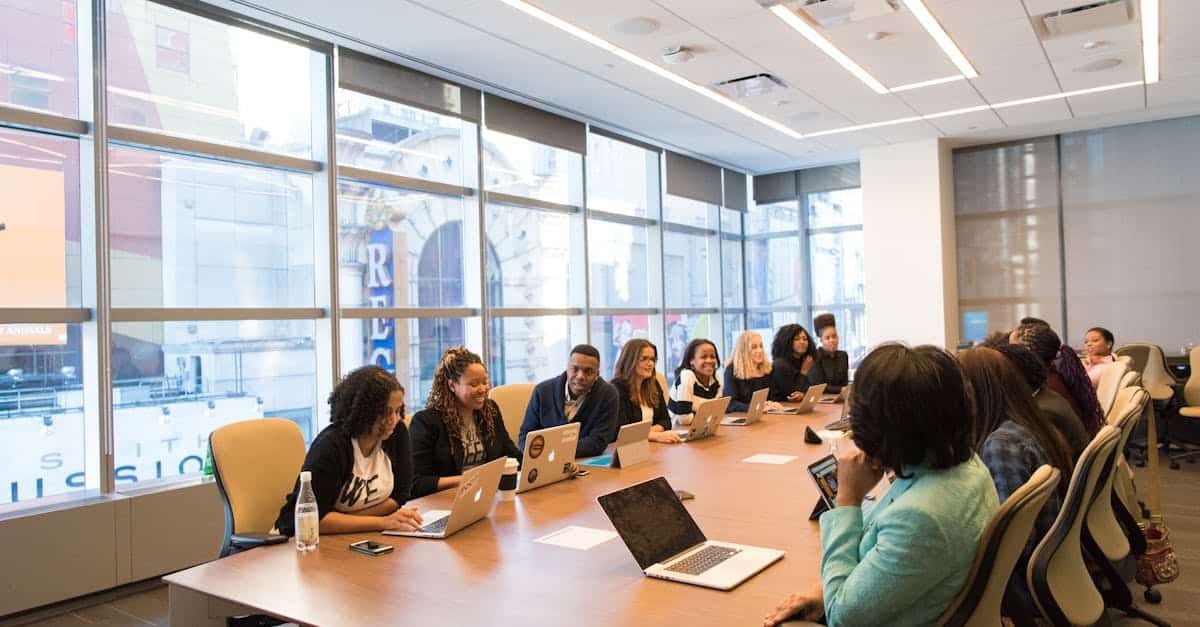
Stepping into Berlin’s professional landscape brings exciting opportunities and unique cultural experiences for expats. German work culture stands distinct from many other countries, with its own set of unwritten rules and expectations that shape daily workplace interactions.
The Berlin work environment combines traditional German values with the city’s innovative spirit. You’ll discover a workplace that values:
- Structured Communication – Clear, direct exchanges that leave little room for misinterpretation
- Professional Boundaries – Well-defined separation between work and personal life
- Efficiency-Driven Practices – Systems and processes designed to maximize productivity
- Strong Team Dynamics – Collaborative approaches balanced with individual responsibility
Many of these values extend well beyond the office — our Berlin etiquette guide provides useful background for the social norms that underpin workplace behaviour. This guide walks you through essential aspects of German workplace etiquette, from communication styles to office norms. Whether you’re joining a startup or an established corporation, these insights will help you thrive in your new professional home.
1. Punctuality: The Backbone of Professionalism
In German workplaces, punctuality isn’t just appreciated – it’s expected. Being on time demonstrates respect for colleagues and commitment to professional standards. A 10-minute early arrival is considered on time, while arriving at the exact scheduled time might be viewed as cutting it close.
Cultural expectations in Berlin regarding lateness are strict:
- Late arrivals to meetings can be interpreted as disrespectful
- Missing deadlines may damage professional relationships
- Consistent tardiness could affect career advancement
Tips for maintaining punctuality:
- Set your watch 5-10 minutes ahead
- Plan your commute during rush hours
- Use Deutsche Bahn’s app for real-time transit updates
- Factor in extra time for unexpected delays
- Keep a digital calendar with automated reminders
Remember: “Pünktlichkeit ist die Höflichkeit der Könige” (Punctuality is the politeness of kings) – this German saying reflects the deep cultural value placed on timeliness in professional settings.
2. Communication Styles: Directness is Key
Direct communication in Germany is a fundamental aspect of professional interactions. German colleagues appreciate honest feedback and clear expectations – what may come across as harsh in other cultures is viewed as polite and effective here.
Key Communication Practices:
- Address colleagues with their titles and surnames until invited to use first names
- Use formal “Sie” instead of informal “du” in professional settings
- Structure emails with proper greetings and closings
- State requests and feedback explicitly without sugar-coating
The “sandwich method” of feedback delivery – common in many countries – isn’t typically practiced in Berlin’s professional environment. Instead, constructive criticism is delivered directly, focusing on specific actions and solutions.
Email Etiquette:
- Begin with “Sehr geehrte/r” (Dear Sir/Madam)
- Keep content concise and fact-focused
- End formally with “Mit freundlichen Grüßen”
- Include your full professional signature
This direct approach to communication reduces misunderstandings and creates a more efficient work environment.
3. Work-Life Balance: A Fundamental Principle
German work culture prioritizes a healthy work-life balance through structured policies and cultural norms. The standard workweek in Berlin spans 38-40 hours, with most offices operating between 9 AM and 5 PM.
German law mandates generous leave policies:
- 20-30 paid vacation days annually
- Up to 6 weeks of paid sick leave
- 14 months of parental leave
- Protected lunch breaks (30-60 minutes)
Expats can maintain work-life harmony by:
- Setting clear boundaries between work and personal time
- Taking advantage of flexible work arrangements
- Using all allocated vacation days
- Participating in after-work activities
- Avoiding checking work emails during off-hours
The “Feierabend” concept – the sacred end of the workday – encourages employees to fully disconnect from work responsibilities. Many Berlin companies support this through:
- Strict no-overtime policies
- Remote work options
- Wellness programs
- Family-friendly scheduling
These practices reflect Germany’s commitment to employee wellbeing and sustainable productivity. Berlin’s startup culture embraces these traditions while adding modern flexibility to support diverse work styles.
4. Teamwork and Collaboration: Building Trust
German workplace culture places high value on effective teamwork and transparent collaboration. Team meetings in Berlin workplaces serve as essential platforms for sharing ideas, tracking progress, and making collective decisions. These meetings follow structured agendas with clear objectives, fostering an environment where every team member’s input matters.
Building trust among colleagues requires:
- Consistent Communication: Regular status updates and progress reports
- Reliability: Meeting deadlines and delivering on commitments
- Transparency: Open sharing of challenges and solutions
- Active Participation: Contributing meaningfully to team discussions
Team collaboration in Berlin often includes:
- Weekly stand-up meetings
- Project retrospectives
- Cross-departmental workshops
- Team-building activities
German workplace culture emphasizes collective success over individual achievement. Teams operate on mutual respect and shared responsibility, creating an environment where reliability and accountability drive successful collaboration.
5. Hierarchy and Leadership: Understanding Workplace Dynamics
German workplace hierarchy combines traditional authority structures with modern collaborative approaches. Leadership styles in Berlin reflect this dual nature, creating a balanced environment where respect meets innovation.
Key Leadership Characteristics:
- Clear reporting lines and defined responsibilities
- Structured decision-making processes
- Open dialogue between management and employees
- Merit-based advancement opportunities
Tips for Expats:
- Address colleagues with appropriate titles (Herr/Frau + surname)
- Wait for senior team members to initiate informal communication
- Present ideas through proper channels
- Document important decisions and agreements in writing
The hierarchical structure in German workplaces emphasizes expertise and competence. Leaders earn respect through demonstrated knowledge and fair decision-making, rather than position alone. This system values both individual contributions and team consensus, creating an environment where authority and collaboration coexist.
6. Office Etiquette: Navigating Professional Norms
Professional attire in Berlin varies significantly across industries. The tech sector embraces a casual dress code with jeans and t-shirts, while traditional sectors like banking and law maintain formal business attire standards.
Industry-Specific Dress Codes:
- Startups & Tech: Smart casual – clean sneakers, jeans, and collared shirts
- Finance & Legal: Full business attire – suits, formal shoes, and conservative colors
- Creative Industries: Business casual with room for personal expression
- Government Sectors: Conservative business wear – blazers, dress pants, closed-toe shoes
Essential Office Behaviors:
- Address colleagues with their titles (Herr/Frau) until invited to use first names
- Keep your desk tidy and organized
- Maintain quiet in open office spaces
- Schedule meetings in advance – spontaneous discussions are less common
- Bring cake on your birthday – it’s a cherished tradition
Personal space is highly valued in German offices. Maintain arm’s length distance during conversations and knock before entering private offices – even when doors are open.
7. Efficiency and Productivity: Maximizing Output
German workplaces have a structured way of doing things when it comes to getting things done efficiently and being productive. They use time-blocking techniques to organize their tasks effectively, where dedicated work periods are alternated with short breaks to help maintain focus and energy levels.
Key productivity practices in Berlin offices:
- Breaking large projects into smaller, manageable tasks
- Using digital tools for project management and time tracking
- Setting clear deadlines and milestones
- Minimizing unnecessary meetings
- Creating detailed documentation for processes
Tips for maintaining focus:
- Keep your workspace clean and organized
- Use noise-canceling headphones during deep work sessions
- Schedule focused work during your peak productivity hours
- Take regular breaks – the Pomodoro technique works well
- Communicate your availability status to colleagues
In German workplaces, there is a strong emphasis on having uninterrupted work periods. You’ll often see your colleagues maintaining quiet work environments and being respectful of each other’s focus time. This approach helps foster an atmosphere where deep work and high productivity can naturally flourish.
Conclusion
Adapting to German work culture as an expat in Berlin brings both challenges and opportunities for personal growth. The structured approach to time management, direct communication style, and emphasis on work-life balance create a foundation for professional success.
Remember these key insights as you navigate Berlin’s workplace:
- Embrace punctuality and efficiency while maintaining your unique perspective
- Practice direct communication while staying authentic in your interactions
- Balance professional demands with personal well-being
- Build meaningful relationships through trust and reliability
Your journey as an expat enriches Berlin’s diverse work environment. By understanding and respecting German workplace norms while sharing your cultural background, you contribute to a dynamic professional landscape. Before you land a role, you need to find one — our guide to job opportunities in Berlin maps out the sectors and platforms most active for expats.