
Introduction
Rome, the Eternal City, is full of history, art, and culture. This guide aims to showcase top tourist attractions with images and brief descriptions of Rome. Whether you’re looking for things to see and do in Rome or planning your itinerary, you’ll find this list invaluable.
These landmarks are must-see for any traveler visiting Rome. From ancient ruins to breathtaking fountains, each site offers a unique glimpse into the city’s rich past.
Get ready to explore Rome attractions and discover amazing stuff to do in Rome Italy. Planning your trip has never been easier—just follow along and get inspired by the best of what Rome has to offer!
If you’re planning your move, you can browse verified rooms and apartments in Rome listings and filter by budget, location, and move-in date.
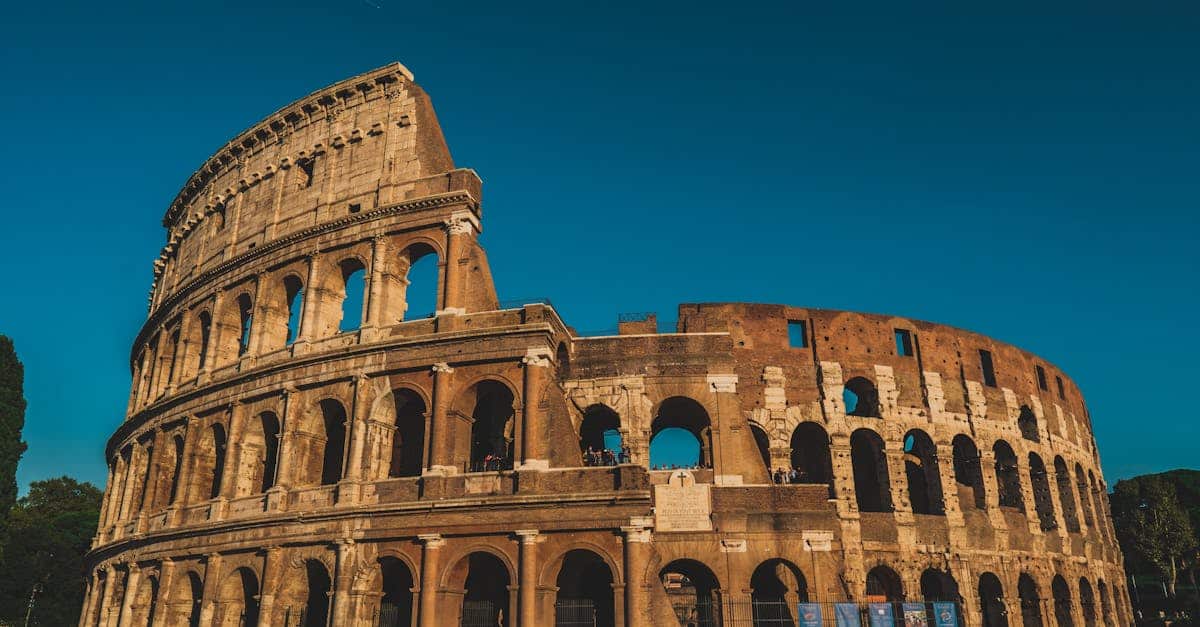
The Colosseum
The Colosseum is one of the most famous symbols of Ancient Rome. This huge Roman amphitheater, also called the Flavian Amphitheater, used to hold gladiator fights and public shows. Built between 70 and 80 AD, it could accommodate up to 80,000 spectators.
Key Features and Architecture
Size and Structure
The Colosseum measures 189 meters long and 156 meters wide with a height of around 48 meters. Its elliptical shape made it perfect for large-scale events.
Materials Used
Constructed mainly from limestone and concrete, the Colosseum showcases Rome’s architectural skills.
Interior Design
Inside, you’ll find intricate underground passages where gladiators and animals were kept before battles.
Tips for Visiting
- Best Times to Visit: Early morning or late afternoon to avoid crowds and enjoy the best lighting for photos.
- Photo Opportunities: Capture stunning shots from the nearby Colle Oppio Park or the Via Sacra leading up to the entrance.
For anyone exploring Rome, visiting the Colosseum is a must. It’s not just a monument; it’s a journey back in time, offering a glimpse into the grandeur of ancient Roman life.
Trevi Fountain
The Trevi Fountain is a stunning example of Baroque architecture located in the heart of Rome. This magnificent fountain showcases intricate sculptures that mesmerize visitors with their exquisite craftsmanship. At the center of the fountain stands a grand statue of Neptune, the god of the sea, accompanied by tritons skillfully controlling seahorses. Water gracefully flows around these figures, creating a tranquil yet awe-inspiring atmosphere.
The Tradition of Coin Throwing
One of the most delightful customs at the Trevi Fountain is the tradition of throwing coins. Visitors toss coins over their shoulders into the fountain, believing it will guarantee their return to Rome. This practice has gained immense popularity, with approximately 3,000 euros being thrown into the fountain every day. These collected coins are then donated to local charities.
Tips for Capturing Beautiful Photos
If you’re hoping to capture stunning photographs of the Trevi Fountain, it’s best to visit during early morning or late evening when there are fewer crowds. The soft lighting during these times enhances the beauty of the sculptures and flowing water, making for picturesque shots.
Nearby Attractions
While exploring the area, don’t miss out on other nearby attractions such as the Spanish Steps and Piazza Navona. These iconic sites are within walking distance, allowing you to conveniently visit multiple landmarks in one trip.
Experiencing the magic of the Trevi Fountain is an essential part of any itinerary in Rome. Its artistic beauty and rich traditions provide a glimpse into the city’s fascinating history and vibrant culture.
The Pantheon
The Pantheon is an architectural marvel and a prime example of Roman engineering. Originally constructed as a temple for all Roman gods, it has been remarkably preserved over the centuries. Today, it functions as a church and is one of the top attractions in Rome.
History and Preservation
Built between 118 and 125 A.D. during Emperor Hadrian’s reign, the Pantheon showcases the grandeur of ancient Roman architecture. Its conversion to a Christian church in 609 A.D. significantly contributed to its preservation, protecting it from the neglect that befell many ancient structures.
Architectural Features
- Massive Dome: The Pantheon’s dome remains one of the largest unreinforced concrete domes in the world. Its sheer size and symmetry leave visitors in awe.
- Oculus: At the dome’s center lies an open oculus, a 27-foot hole that illuminates the interior with natural light and creates a unique atmosphere.
Visitor Information
Planning your visit? Here are some handy tips:
- Opening Hours: The Pantheon is open daily from 9:00 AM to 7:00 PM, with free entry.
- Nearby Dining Options: After your visit, explore nearby eateries like Armando al Pantheon, serving traditional Roman cuisine.
For more details on visiting the Pantheon or other top tourist attractions in Rome, you can check out this detailed guide.
St. Peter’s Basilica
St. Peter’s Basilica is one of the holiest sites in Christianity and a must-see among attractions in Rome, Italy. It is located in Vatican City and is known for its stunning architecture and spiritual importance.
What to See Inside
Inside the basilica, you’ll find remarkable works of art such as:
- Michelangelo’s ‘La Pieta’: This renowned sculpture, created from a single block of marble, portrays the Virgin Mary holding the lifeless body of Jesus after his crucifixion.
- Bernini’s Baldachin: A magnificent bronze canopy that stands over the papal altar, showcasing the brilliance of Baroque art.
Tips for Visiting St. Peter’s Basilica
Here are some helpful tips to enhance your visit:
- Dress Code: Remember to dress modestly as there is a strict dress code in place. Make sure your shoulders and knees are covered.
- Guided Tours: Consider joining a guided tour for a more enriching experience. Guides can provide valuable insights into the history and significance of the basilica.
- Opening Hours: To avoid large crowds, plan your visit during early mornings or late afternoons when foot traffic tends to be lighter.
- Photography Etiquette: While you’re allowed to take photos inside, please be mindful of other visitors who may be praying or meditating. Refrain from using flash photography out of respect.
Visiting St. Peter’s Basilica promises an unforgettable journey where artistry, history, and spirituality intertwine harmoniously.
Vatican Museums & Sistine Chapel
The Vatican Museums are one of the top attractions in Rome, Italy. They have an amazing collection of art, including ancient sculptures and Renaissance masterpieces. Visitors can admire works like the Laocoön Group and the Raphael Rooms, which showcase the artistic brilliance of their time.
One of the most breathtaking parts of any visit is Michelangelo’s stunning frescoes on the ceiling of the Sistine Chapel. His paintings, particularly “The Creation of Adam,” have had a significant influence on art history and continue to mesmerize viewers with their beauty and complexity.
Planning Your Visit
To make the most of your trip:
- Book Tickets in Advance: This saves you from long lines and ensures entry.
- Opt for Guided Tours: These provide valuable insights into the artworks and history.
- Visit Early or Late: These times tend to be less crowded, offering a more enjoyable experience.
For photography enthusiasts, remember that while photos are allowed in most parts of the Vatican Museums, they are strictly prohibited in the Sistine Chapel.
Visiting during peak seasons? Use Italian holidays and celebrations in Milan and Rome to anticipate closures and crowds.
Roman Forum & Palatine Hill: The Cradle of Roman Civilization
The Roman Forum and Palatine Hill hold immense importance in ancient Roman life, serving as political, social, and religious centers. Exploring these sites offers a unique glimpse into the heart of Rome’s storied past.
Key Ruins to Explore
- Senate House (Curia Julia): This building was central to political life, where senators gathered to debate and make decisions.
- Temple of Vesta: Dedicated to the goddess Vesta, this temple housed the eternal flame, symbolizing Rome’s endurance.
These key ruins provide a fascinating look at ancient architecture and societal structure.
Suggested Walking Routes
For a comprehensive visit:
- Start at the Arch of Titus: Begin your journey by entering through this triumphal arch.
- Head to the Senate House: Walk along Via Sacra to reach this significant site.
- Explore the Temple of Vesta: Continue your route towards this sacred space.
- Ascend Palatine Hill: Enjoy panoramic views of the city and explore Augustus’s house and other imperial residences.
This route ensures you cover essential landmarks while soaking in the rich history.
Additional Resources
For more details on these top tourist attractions and things to do in Rome city, refer to detailed guides or external resources for an enriched experience. These sites are must-visit locations, adding depth to any itinerary for Rome.
Piazza Navona: The Heartbeat of Baroque Architecture
Piazza Navona is one of Rome’s most vibrant squares, known for its stunning baroque architecture and lively atmosphere. At the center, you’ll find three magnificent fountains:
- Fontana dei Quattro Fiumi: Designed by Bernini, it represents four major rivers of the world.
- Fontana del Moro: Features a Moor battling a dolphin.
- Fontana del Nettuno: Showcases Neptune surrounded by sea creatures.
This square is not just about its beautiful fountains. It’s a hub of activity with street performers showcasing their talents and outdoor cafes offering perfect spots to relax and people-watch.
For those looking for things to do in Rome, Italy, Piazza Navona provides endless entertainment. Whether you’re enjoying a gelato while listening to live music or admiring local artists’ work, there’s always something happening here.
Castel Sant’Angelo: From Mausoleum to Fortress
Castel Sant’Angelo offers a fascinating journey through history. Originally built as a mausoleum for Emperor Hadrian, it evolved into a papal fortress during medieval times. This transformation showcases its strategic importance and adaptability.
What to See
- Panoramic Views: Enjoy breathtaking views over the Tiber River from the terrace. These vistas are perfect for capturing stunning photos of Rome’s skyline.
- Photography Tips: Visit during golden hour for the best lighting. The terrace offers unobstructed views, making it an ideal spot for panoramic shots.
Historical Evolution
- Emperor Hadrian’s Tomb: Built in AD 139, this towering structure was initially intended as a grand tomb for Hadrian and his family.
- Papal Fortress: During the Middle Ages, it became a refuge for popes. Its fortified walls and secret passageways are testament to its role in protecting Rome’s leaders.
Exploring Castel Sant’Angelo is one of the top things to do in Rome. Its blend of history, architecture, and scenic beauty make it a must-see landmark.
Galleria & Villa Borghese: Nature Meets Art
Exploring Villa Borghese offers a perfect blend of nature and art. This expansive park is filled with beautiful gardens, fountains, and outdoor sculptures. Whether you want to relax on a bench, rent a bike for a leisurely ride, or row a boat on the lake, there’s something for everyone.
Inside the villa-museum lies the renowned Borghese art collection. It houses masterpieces by Caravaggio, Bernini, and Raphael. Highlights include Bernini’s Apollo and Daphne and Caravaggio’s Boy with a Basket of Fruit. The gallery also features stunning frescoes and intricate decorations that add to the experience.
For those planning their visit:
- Opening Hours: 9 AM – 7 PM (Closed Mondays)
- Entry: Timed tickets are required
- Nearby Dining: Cafés within the park offer delightful refreshments
This iconic site is one of the top tourist attractions in Rome. For detailed guides or more information, check out external resources showcasing these treasures.
Arcibasilica di San Giovanni in Laterano: The Pope’s Cathedral
The Arcibasilica di San Giovanni in Laterano holds immense significance, serving as not just a major church but also the official residence for popes through the centuries. This grand basilica is a must-see for anyone wondering what to see in Rome.
Key Artworks and Features
- Stunning Mosaics: The basilica’s interiors boast lavish mosaics depicting biblical scenes. These intricate artworks capture both the history and spirituality of the space.
- Magnificent Frescoes: The ceilings and walls are adorned with beautiful frescoes that add to the basilica’s opulent atmosphere.
- Altar of the Holy Sacrament: A masterpiece of religious art, showcasing gold and precious stones.
Visiting Hours and Guidelines
- Opening Hours: The basilica is generally open from 7 AM to 6:30 PM, but checking ahead is advised.
- Dress Code: Modest attire is required. Shoulders and knees should be covered.
- Respectful Behavior: Silence is appreciated inside this sacred space to maintain its reverent atmosphere.
When considering things to visit in Rome, the Arcibasilica di San Giovanni in Laterano stands out as an essential stop.
Via Appia Antica & Catacombs: Journey Through Ancient Roads
Via Appia Antica played a crucial role in ancient Rome, connecting the city with its southern provinces. This iconic road, often called the “Queen of Roads,” allowed for efficient movement of troops and goods, solidifying Rome’s power.
Exploring Via Appia Antica offers unique opportunities to visit various catacombs where early Christians were buried. These subterranean burial sites provide a haunting yet fascinating glimpse into ancient religious practices.
Tips for an engaging visit:
- Bring a flashlight: Some areas may be dimly lit.
- Wear comfortable shoes: The road’s ancient stones can be uneven.
- Plan your route: Several entrances and exits exist along the way.
Walking along Via Appia Antica and exploring the catacombs of Rome are unforgettable things to do in Italy.
Piazza del Popolo: Entrance into Historic Center
Piazza del Popolo is a grand entrance into Rome’s historic center. Its neo-classical design features two identical churches, Santa Maria dei Miracoli and Santa Maria di Montesanto, which flank either side of the square. These twin churches are renowned for their exquisite baroque artwork inside.
The piazza is more than just beautiful architecture. It’s a bustling hub for events and festivals throughout the year, such as:
- Summer concerts
- Open-air movie screenings
For travelers seeking things to see in Rome, Piazza del Popolo is a must-visit. It beautifully showcases top tourist attractions within the city.
If your trip overlaps Carnival season, check Carnival traditions in Milan and Rome for events worth catching.