
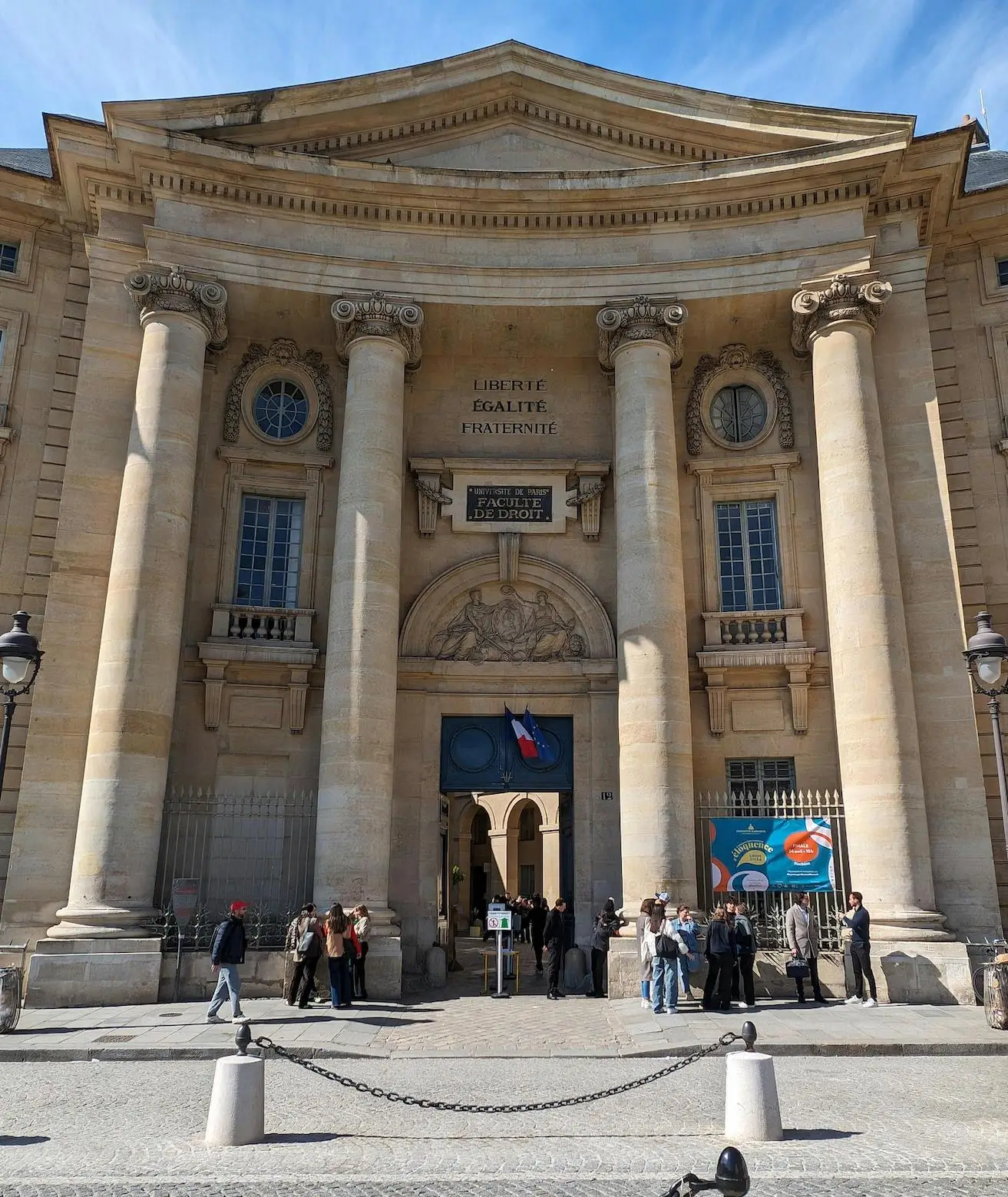
Explore France’s top universities, cultural experiences, and essential guides for international students. Unlock your academic potential in France!
Introduction
Studying in France opens doors to world-class education and cultural experiences. The France education system is known for its high standards and diverse range of institutions, including public universities and prestigious Grandes Écoles. Top universities in France such as the Sorbonne, HEC Paris, and Sciences Po Paris play a significant role in shaping global leaders and innovators.
France’s education system is structured into primary, secondary, and higher education stages, all overseen by the Ministry of Education. This ensures consistent quality and rigorous academic standards across the board.
For international students, studying in France offers not only academic excellence but also a chance to immerse in a rich cultural environment. With over 250,000 international students flocking to French universities each year, it becomes evident why uni France is a popular choice.
For student life expectations, see French university culture to understand day-to-day norms.
Understanding the French Education System
The French education system is structured in a way that ensures students receive foundational knowledge and skills at every stage. Here’s a closer look:
Structure of the Education System
- Primary Education: This stage covers ages 6 to 11 and focuses on basic literacy, numeracy, and social skills.
- Secondary Education: Divided into two parts:
- Collège (middle school) for ages 11 to 15.
- Lycée (high school) for ages 15 to 18, culminating in the Baccalauréat exam, essential for higher education admission.
- Higher Education: After lycée, students can move on to universities or specialized institutions.
Role of the Ministry of Education
The Ministry of Education plays a vital role in maintaining high standards. It oversees curriculum development, teacher training, and quality assessments across all stages. This ensures consistency and excellence throughout French universities and colleges in France.
Diverse Range of Institutions
France offers a variety of higher education options:
- Public Universities: Institutions like Sorbonne University in Paris provide a wide range of undergraduate and postgraduate programs. If you’re considering studying here, accommodation in Paris will place you close to this iconic university.
- Specialized Schools: These schools focus on specific fields such as art, architecture, or engineering. For instance, if you’re pursuing a career in architecture, staying in Lyon can provide proximity to some of the best specialized institutions.
- Grandes Écoles: Prestigious institutions like HEC Paris and Sciences Po Paris emphasize academic excellence and professional readiness.
This diversity allows students to choose paths that best suit their career goals and interests, making France a top destination for higher education.
Exploring Higher Education Institutions in France
When it comes to public universities in France, institutions like the Sorbonne stand out. These universities offer a broad range of programs across various disciplines including humanities, sciences, and social sciences. Public universities are known for their affordability and inclusivity, making them accessible to many students.
Grandes Écoles, such as HEC Paris and Sciences Po Paris, offer a different educational experience. HEC Paris excels in business education, while Sciences Po specializes in political science and public administration. These institutions emphasize academic excellence and professional development through rigorous coursework and networking opportunities.
Comparing public universities to specialized institutions reveals key differences:
- Admission Criteria: Public universities generally have more lenient admission standards compared to Grandes Écoles, which often require competitive entrance exams.
- Curriculum Structure: Public universities provide a well-rounded education with multiple electives, whereas Grandes Écoles focus on specialized training tailored to specific careers.
- Career Prospects: Graduates from Grandes Écoles often have a competitive edge in the job market due to their intensive preparation and industry connections.
Both types of institutions contribute significantly to the rich educational landscape of France, offering diverse paths for students seeking quality higher education.
Affordability and Financial Considerations for International Students
Studying in France can be surprisingly affordable, making it a popular choice for many.
Tuition Fees in France
- EU/EEA/Swiss Students: Typically enjoy lower tuition fees. For instance, the annual fee for a bachelor’s degree is around €170.
- International Students: Often face higher fees. A master’s degree in France can cost approximately €3,770 per year for non-EU students.
Scholarships for International Students
France offers several scholarships to ease the financial burden for international students:
- Erasmus+ Program: Supports students from partner countries.
- Eiffel Excellence Scholarship Program: Provides significant aid for master’s and PhD programs.
- Campus France Scholarships: Lists various funding opportunities on their website.
Cost-Effectiveness
Cost-Effectiveness
France’s education system is cost-effective compared to other destinations, such as the US or UK. Numerous scholarships are available specifically for international students, making it easier to plan your study journey in France. When studying in a city like Paris, where living costs can be high, it’s wise to explore affordable accommodation options to manage your expenses effectively.
Popular Fields of Study among International Students in French Universities
When international students choose to study in France, they often gravitate towards specific fields known for their excellence and career potential:
- Economics and Business: Institutions like Université Paris-Dauphine are revered for their rigorous programs in economics and business. Graduates from these programs often find themselves in top financial institutions worldwide.
- Fashion Design: France is synonymous with fashion. Schools such as Ecole de la Chambre Syndicale de la Couture Parisienne provide unmatched training in fashion design, making them the best university choices for aspiring designers.
- Hospitality Management: The Ecole hôtelière de Lausanne offers world-class hospitality management programs. This field attracts those interested in working in luxury hotels, resorts, and culinary arts.
- Technology and Innovation: Renowned universities like École Polytechnique focus on cutting-edge technology and innovation. Students engage in research that pushes the boundaries of what’s possible.
- Tourism Studies: Given France’s status as a leading tourist destination, universities offer specialized programs in tourism studies that prepare students for dynamic careers in this industry.
Choosing to study in France opens doors to diverse academic opportunities tailored to various interests and career aspirations.
International Student Demographics and Cultural Experience in France
France is home to over 250,000 international students enrolled across various disciplines and educational levels. This influx of students enriches the academic environment with a blend of cultures and perspectives.
Benefits of Studying Abroad in France
International students in France gain much more than academic knowledge:
- Cultural Immersion: Paris, with its rich history and vibrant culture, offers endless opportunities for cultural exploration.
- Diverse Perspectives: Engaging with peers from around the globe fosters a deeper understanding of different cultures and viewpoints.
- Social Integration: French universities often organize events that help international students integrate into the local community.
Student Life in France
Living as a student in France means experiencing:
- Historic Landmarks: From the Eiffel Tower to the Louvre Museum, students can immerse themselves in iconic sites.
- Delicious Cuisine: Enjoying French gastronomy—from croissants to fine dining—is part of daily life.
- Vibrant Nightlife: Cities like Paris offer an exciting nightlife with something for everyone.
Studying abroad in France provides an unparalleled combination of academic rigor and cultural richness.
Language Proficiency Requirements for Studying at French Universities
A strong command of the French language is crucial when applying for undergraduate programs primarily taught in French. This is especially true for universities located outside urban areas where English proficiency may be less common.
Essential Skills
Proficiency in French language courses offered by French institutions can significantly enhance your application.
Undergraduate Programs
Many undergraduate courses require students to have a good grasp of French due to their instructional medium.
Regional Variations
In rural and smaller towns, locals might not speak English frequently. Being fluent in French helps in both academic and everyday interactions.
Practical Tips
- Enroll in language courses early to build your skills.
- Practice with native speakers or through language exchange programs.
- Utilize online resources like Duolingo or Rosetta Stone to supplement your learning.
By mastering the language, you pave the way for a smoother academic journey in France.
Navigating the Visa Process as an International Student in France
The student visa application process for non-EU citizens planning to pursue higher studies at a recognized institution varies based on nationality. Here are the key steps involved:
- Determine Your Visa Type: Depending on the length of your study program, you might need a short-stay visa (less than 90 days) or a long-stay visa (over 90 days).
- Financial Proof: Submit evidence demonstrating sufficient funds to cover living expenses throughout your stay. This can include bank statements, scholarships, or sponsorship letters.
- Health Insurance: Obtain health insurance coverage valid for your entire duration in France. This is crucial for accessing medical services and ensuring overall well-being.
- Admission Letter: Secure an acceptance letter from a recognized French institution. This document is essential for your visa application.
- Application Submission: Fill out the visa application form and submit it along with required documents (passport, photos, admission letter) to the nearest French consulate or through the online portal.
- Interview: Attend an interview if required by the consulate. Be prepared to discuss your study plans and reasons for choosing France.
Understanding these steps simplifies the student visa application process for non-EU citizens planning to pursue higher studies at a recognized institution based on their nationality.
Understanding Living Costs and Accommodation Options for Students in Major Cities Like Paris
Studying in vibrant cities like Paris comes with unique living costs and accommodation options. Here’s what you need to know:
Average Living Costs
- Student Housing Facilities: Managed privately, these facilities offer an affordable alternative to traditional rentals. They typically include utilities and are located near essential amenities such as grocery stores, restaurants, and cafes.
- Traditional Rental Agreements: Negotiated directly with landlords, these can be more expensive due to limited supply near campus areas.
Cost Breakdown
- Accommodation: €400 – €800 per month depending on the type of housing and its proximity to the university.
- Groceries and Dining: €200 – €300 per month.
- Transportation: Monthly passes range from €30 – €75.
- Miscellaneous: Including entertainment, study materials, and personal expenses, expect around €100 – €200.
Living costs vary based on lifestyle choices and city of residence. Planning ahead ensures a smooth academic journey.
For language progress, pair your studies with how to speak French like a native.