
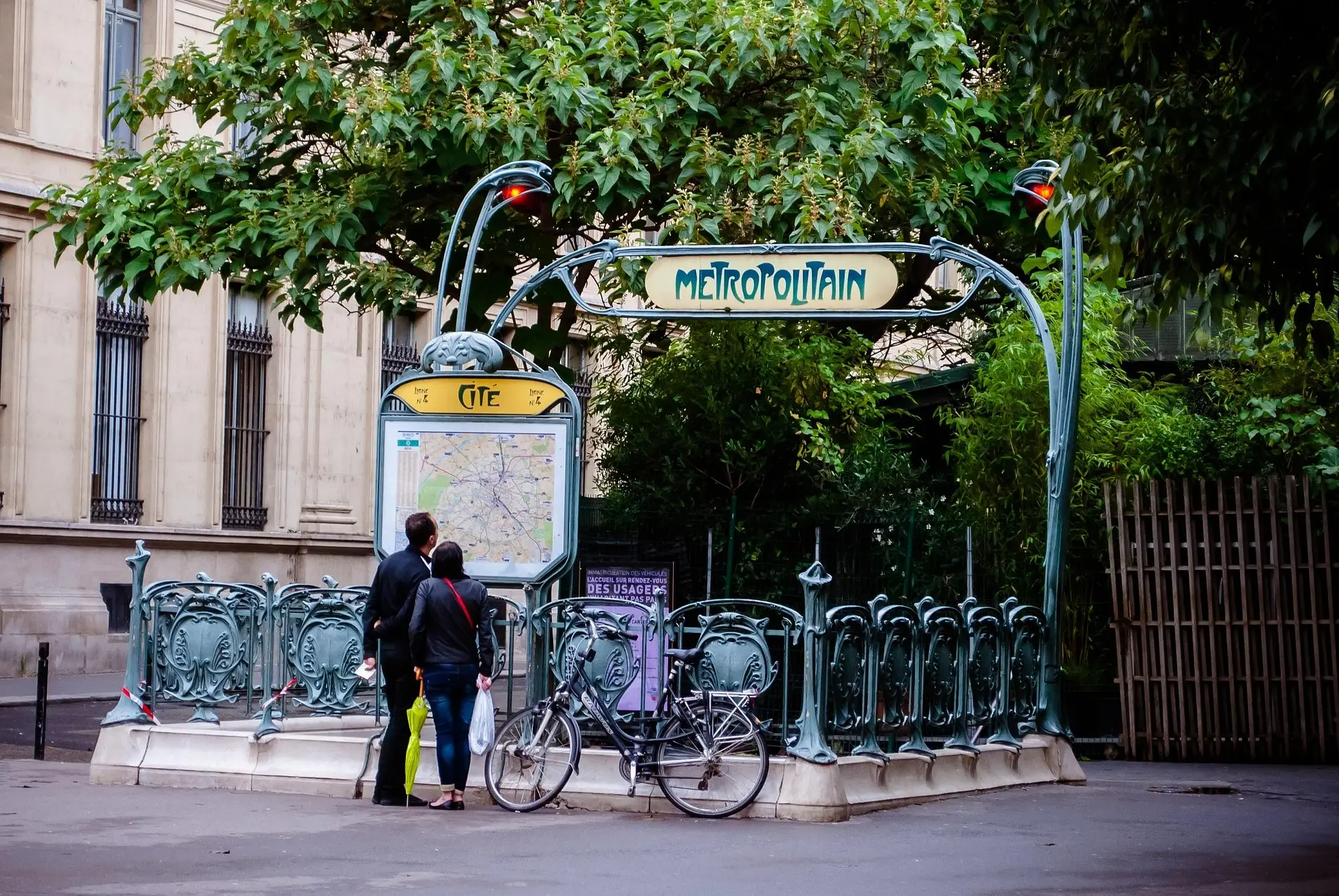
Master Paris public transport with our guide: Metro, buses, RER, tramways, biking, and walking tips for a seamless city experience.
Introduction
Understanding and using the Paris transportation network is crucial for students, tenants, and young adults. Navigating around the city efficiently can save time, reduce stress, and provide a more enriching experience of the vibrant French capital.
Whether you’re commuting to work, exploring iconic landmarks, or visiting friends, this guide offers a comprehensive overview of the different modes of public transportation available in Paris. Learn how to navigate the city like a local with valuable tips and insights.
If you’re planning your move, you can browse verified rooms and apartments on Paris listings and filter by metro access and budget.
1. Getting Around Paris: An Overview of the Public Transportation Network
Paris has a well-developed public transportation network managed primarily by RATP and SNCF. This system offers various modes of transport to help you get around the city easily:
Modes of Transport
- Metro: The Paris Metro is the main mode of transportation in the city, with 16 lines that provide extensive coverage and frequent service.
- Buses: Paris has a comprehensive bus network with 347 bus lines that cover different areas of the city and its surrounding regions. Express lanes for buses ensure quick travel even during busy times.
- Trains (RER): The RER trains connect the city center to suburbs and key locations like airports and Disneyland Paris.
- Tramways: Tramways such as T1, T2, and T3 offer scenic routes and additional connectivity.
Benefits of the Paris Metro
The Paris Metro stands out due to its vast reach, allowing easy access to nearly every part of the city. Its frequent services make it a reliable choice for daily commutes.
Importance of RER Trains
RER trains play a crucial role in linking major train stations and serving as essential hubs for suburban travel. They are particularly useful for reaching destinations beyond the city’s core.
Using public transportation is an excellent way to avoid traffic congestion while exploring Paris conveniently and sustainably.
2. Navigating Paris by Metro
The Paris Metro is one of the most famous and efficient subway systems in the world. It has 16 lines and over 300 stations, making it easy to get around and discover all the different parts of Paris.
Ticket Options
Here are some ticket options available for traveling on the Paris Metro:
- Single Tickets (T+ tickets): These tickets are valid for one journey, including transfers within the Metro and RER networks inside Paris.
- Navigo Pass: If you plan on using public transportation frequently, this pass is a convenient choice. It’s available on a weekly or monthly basis.
- Paris Visite Pass: Designed specifically for tourists, this pass offers unlimited travel for 1 to 5 days.
You can purchase tickets from automated machines at the stations or from ticket offices.
Finding Your Way in Stations
When you’re in a Metro station, look out for these signs to help you navigate:
- “M” Sign: This sign will indicate the entrance to the Metro station.
- Maps & Signs: Inside the station, you’ll find maps and signs that provide information about the different lines and directions.
- Line Numbers & Colors: Each line has its own number and color, which will be displayed on the maps and signs.
- Direction Signs: Pay attention to the end-of-line station names mentioned on the signs. They will help you identify the correct direction.
- Transfer Points: Some stations, like Châtelet and Gare du Nord, are major transfer hubs where you can switch between different lines easily.
Etiquette Tips
To ensure a smooth journey for everyone, here are some etiquette tips to keep in mind:
- Escalators: If you’re using an escalator, stand on the right side to allow others to pass on the left.
- Boarding & Exiting: Wait for passengers to exit the train before boarding.
- Noise & Seats: Try to keep noise levels down and offer your seat to those who may need it, such as elderly or pregnant individuals.
Must-Visit Places You Can Reach by Metro
Here are some popular attractions in Paris that you can easily reach using the Metro:
Eiffel Tower
You can take Line 6 (Bir-Hakeim) or Line 9 (Trocadéro) to reach the Eiffel Tower.
Louvre Museum
The Louvre Museum is accessible from Line 1 (Palais Royal – Musée du Louvre).
Montmartre
To visit Montmartre and see the Sacré-Cœur Basilica, you can take Line 12 to Abbesses or Pigalle and then enjoy a short walk.
The Metro is not just a convenient way to get around Paris, but also an opportunity to immerse yourself in the city’s vibrant culture and history.
3. Exploring Beyond the City: Buses, Trains, and Tramways
Paris has an extensive bus network with many bus lines that cover different areas of the city and surrounding regions. These buses are a reliable way to get around Paris, especially if you want to enjoy the scenery instead of taking the Metro. If you’re out late at night, you can rely on the Noctilien night buses since regular services are unavailable during those hours.
RER trains are essential for connecting the city center to suburbs and other areas outside of Paris, including popular destinations like airports and Disneyland Paris. Operated by SNCF, these trains make it easy to travel between the heart of Paris and its outskirts. The RER system works alongside the Metro by extending connectivity to places that aren’t served by regular subway lines.
Another option for public transportation is the tramway system, which includes routes such as T1, T2, and T3. Trams provide a pleasant way to travel with their scenic routes. They connect different neighborhoods and make it convenient to switch to other modes of transportation like buses or Metro lines.
By using these various transportation options, you can explore not only Paris but also its beautiful suburbs and nearby attractions without any hassle.
4. Making Longer Journeys: Airports and High-Speed Rail
Airports
Paris is served by two main airports:
- Roissy-Charles-de-Gaulle (CDG): The largest airport in France, CDG handles most international flights. Located approximately 25 km northeast of Paris, it offers a range of airport transfer options including the RER B train, which connects directly to the city center.
- Orly (ORY): Situated about 13 km south of Paris, Orly mainly serves domestic and European flights. Transfers to the city center are efficient with options like Orlyval light rail connecting to the RER B line, or bus services such as Orlybus.
Understanding these connections is crucial for a smooth journey whether arriving in or departing from Paris.
High-Speed Train (TGV)
The TGV (Train à Grande Vitesse) is a high-speed train network that revolutionizes travel to and from Paris. Key connections include:
- Paris to Lyon: Approximately 2 hours.
- Paris to Marseille: Around 3 hours.
- Paris to Bordeaux: Roughly 2 hours.
These trains depart from major stations like Gare de Lyon, Gare Montparnasse, and Gare du Nord, providing swift and comfortable travel options across France and into neighboring countries.
Navigating both airports and high-speed rail options ensures efficient travel whether you’re staying within France or venturing beyond.
5. Embracing Alternative Ways of Getting Around: Biking and Walking
Exploring beyond typical tourist spots in the city center reveals the charm of the Paris region’s smaller towns and countryside. A stroll through quaint neighborhoods or a leisurely bike ride offers a unique perspective on local life.
Bike-Sharing: Vélib’
Paris has a popular bike-sharing program called Vélib’. With thousands of bicycles available at many stations throughout the city, Vélib’ provides an eco-friendly and convenient way to get around Paris.
- Affordable rental options
- Easy access through an app
- Scenic routes along the Seine or through picturesque parks
Discover Hidden Gems on Foot
The city’s layout is designed for pedestrians, making it easy to explore on foot. Wander through narrow streets, find hidden cafes, and admire beautiful buildings at your own pace. Walking allows you to stumble upon unexpected places that you might miss if you’re using public transportation.
“Paris is best explored with a pair of comfortable shoes and a curious spirit.” – Local Resident
Taking these alternative modes of transportation not only enhances your experience but also provides a sustainable way to enjoy everything that Paris has to offer.
The Evolution of Public Transport in the City of Light
Paris has a fascinating history of public transport, starting from horse-drawn omnibuses and evolving into the efficient networks we see today. It all began in 1828 with the introduction of horse-drawn omnibuses, which provided Parisians with a new way to get around the city.
From Horses to Electricity: The Rise of Trams
In the late 19th century, electric trams were introduced, replacing the traditional horse-drawn vehicles. These trams were not only cleaner but also faster, offering a significant improvement over their predecessors. This shift marked a crucial turning point in the development of public transportation in Paris.
The Game-Changer: The Paris Metro
However, it was the launch of the Paris Metro in 1900 that truly revolutionized urban mobility. This underground system completely transformed how people moved around the city, making it faster and more convenient than ever before. With its extensive network spanning 16 lines and over 200 kilometers, the Metro remains an integral part of Paris’s public transport system.
Embracing Innovation: Tramways and Eco-Friendly Buses
But Paris didn’t stop at the Metro. The city has continued to embrace innovation in public transport by integrating contemporary solutions such as tramways and eco-friendly buses. These additions not only provide alternative modes of transportation but also prioritize sustainability and efficiency.
From its humble beginnings with horse-drawn omnibuses to its current state with a diverse range of transportation options, Paris’s public transport system has come a long way. It serves as a testament to the city’s commitment to improving mobility for its residents and visitors alike.
Choosing the right base is easier with context—see Paris neighborhoods uncovered to match lifestyle to commute.
Conclusion
Understanding and using the Paris transportation network is incredibly convenient and accessible for students, tenants, and young adults. With this guide, you can confidently explore the city using:
- Metro: The main mode of transportation in Paris.
- Buses and Trains (RER): Connecting you to suburbs and important locations.
- Tramways: Offering scenic routes.
Other options such as biking with Vélib’ or walking can provide a more immersive experience.
Paris public transport also has clear bus stop signs and real-time information, making your journey smooth and effortless. Make use of these resources to navigate the city easily.
If you’re renting, use avoiding scams when renting in Paris before signing anything.