
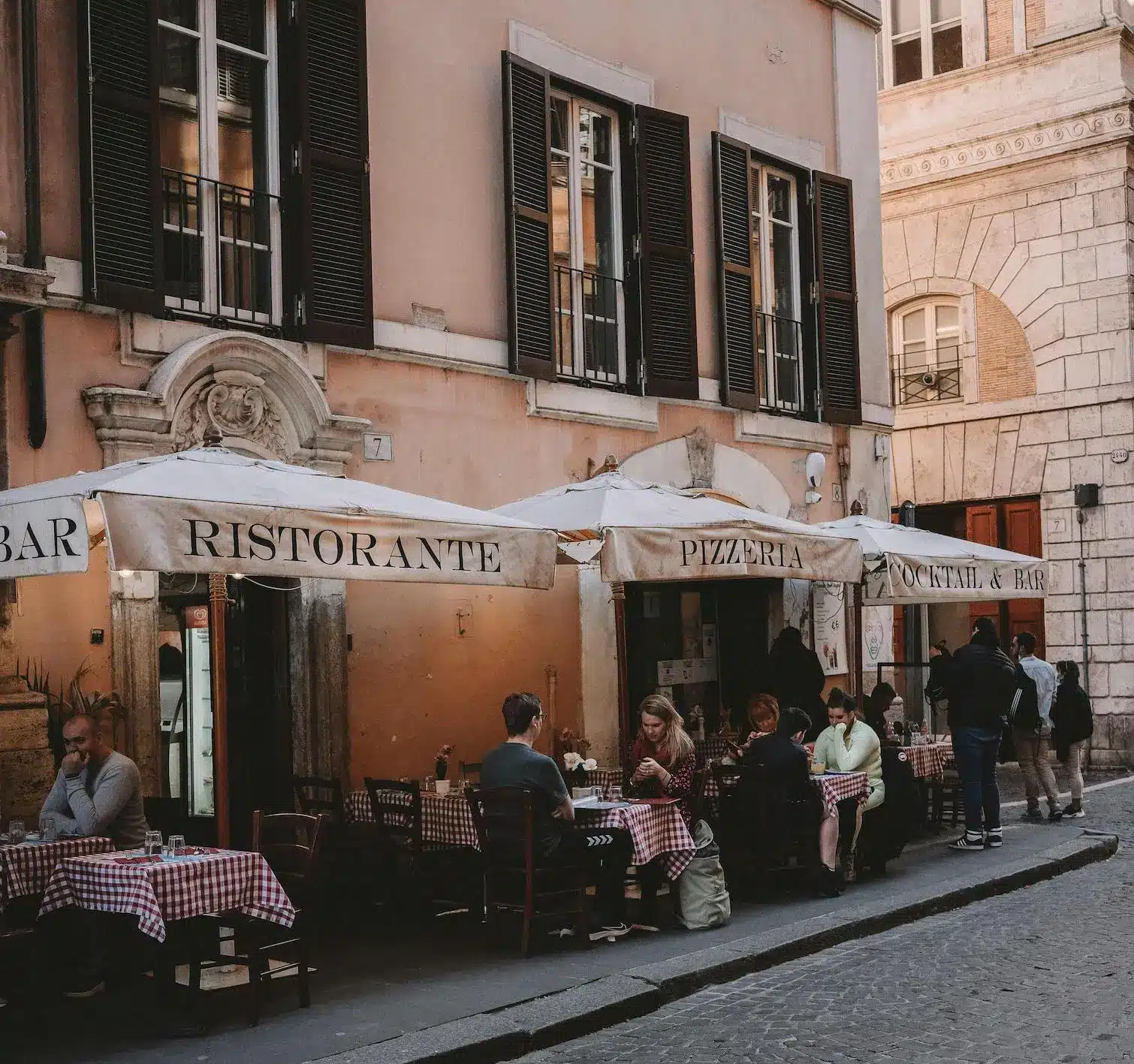
Discover Milan’s unique customs and traditions, from historic influences to vibrant arts and fashion scenes. Explore local lifestyle gems.
Introduction
Milan, a city known for its rich cultural heritage, has an interesting combination of traditional practices and modern influences. This unique blend shapes the local lifestyle in fascinating ways, creating a variety of customs and traditions that reflect its historical development. From the grandeur of historic landmarks to the lively arts scene, Milan’s lifestyle is a captivating study.
Exploring the insights into local lifestyle and traditions of Milan reveals the city’s depth and complexity. Traditional customs coexist with contemporary practices, creating a dynamic environment where old meets new. Whether you’re moving to Milan or simply curious about its cultural fabric, understanding these elements offers a deeper appreciation of life here.
In this article, we will uncover 10 things you didn’t know about Milan’s local customs, traditions, and everyday lifestyle practices. If you’re moving to the city, pair this with Living in Milan: your city guide for practical setup. Get ready to explore the heart of Milanese culture and discover what makes this city truly one-of-a-kind.
1. The Historical Influences on Milanese Traditions
Milan’s culture is shaped by its history, with a mix of influences from past rulers like the Austrians and Spanish. These historical influences have had a lasting impact on Milan traditions, shaping everything from architecture to social customs.
Austrian Influence
During the Habsburg rule, Milan saw improvements in architecture and a flourishing of culture. The neoclassical buildings and public spaces in the city are a testament to this era’s legacy.
Spanish Rule
The Spanish brought about significant changes in governance and religious practices, which are still echoed in local festivals and community events today.
These historical layers contribute to a rich tapestry that continues to define Milanese identity.
2. Iconic Landmarks and Their Role in Daily Life
The Duomo di Milano is a magnificent symbol of the city, deeply embedded in the local way of life. This breathtaking Gothic cathedral isn’t just an architectural wonder; it serves as a main meeting place for residents. People often gather here before venturing into the lively heart of the city.
The Galleria Vittorio Emanuele II is more than just a shopping spot. It’s a vibrant center where locals come together to socialize, enjoy meals, and immerse themselves in Milanese culture. The galleria’s exquisite design and bustling ambiance embody the spirit of daily life in Milan.
3. Coffee Culture: A Daily Ritual for Milanese Locals
Coffee culture in Milan is an essential part of the local lifestyle, offering insights into the city’s traditions and everyday routines. Coffee breaks are not just about caffeine; they are moments of relaxation and social connection with friends or colleagues. This tradition emphasizes the importance of taking time to enjoy life’s simple pleasures.
Historic Cafes vs Modern Establishments
The city has a mix of historic cafes, like Caffè Cova, and modern places like Starbucks Reserve Roastery. Each coffee shop offers a unique experience, showcasing Milan’s diverse culture and the different preferences of its residents.
Exploring these local customs provides a deeper understanding of Milan’s cultural landscape, showing how traditional practices blend with contemporary influences.
4. Celebrations That Bring the Community Together
Milan is alive with local traditions that celebrate its rich history and vibrant community spirit. Key festivities such as the Feast of Saint Ambrose on December 7th honor Milan’s patron saint with a city holiday, featuring parades and church services. Another significant event is the Commemoration of the Five Days of Milan, marking the city’s resistance against Austrian rule in March 1848.
These celebrations not only highlight historical milestones but also strengthen connections among residents, offering a glimpse into why many consider Milan a good place to live. They provide a sense of unity and cultural pride, making Milan feel like home for both locals and expats alike.
5. The Influence of Dialects on Milanese Identity
Milanese dialects, especially Western Lombard, are essential to the city’s culture. Unlike standard Italian, these dialects provide a unique linguistic identity that represents the region’s history and traditions.
The uniqueness of Western Lombard enhances local communication, fostering a sense of belonging among residents. Many Milanese still use these dialects in their daily conversations and community interactions, ensuring their survival.
This linguistic diversity adds richness to the city’s cultural scene, emphasizing the significance of preserving local languages in defining Milan’s identity.
6. A Hub for Artistic Expression: La Scala and Beyond
Milan’s arts scene is a vibrant tapestry, with the renowned La Scala theater standing as its crown jewel. This iconic venue is a beacon for both locals and international visitors, offering a stage where cultural expression thrives. Beyond the grand opera performances, Milan’s artistic spirit extends into diverse forms such as contemporary galleries, street art, and music festivals.
- La Scala Theater: A magnet for opera lovers worldwide.
- Contemporary Art: Galleries showcasing modern creativity.
- Street Performances: A glimpse into the local lifestyle and traditions of Milan.
Exploring these facets offers readers deeper insights into the city’s cultural fabric.
7. Fashion Capital Status Reflected in Everyday Style Choices
Milan’s reputation as a global fashion capital goes beyond the runways, influencing the Milan lifestyle in profound ways. Locals blend high-end fashion with everyday wear, showcasing a unique style that sets trends worldwide.
To incorporate elements of Milanese street style into your wardrobe:
- Embrace neutral tones: Opt for classic colors like black, white, and beige.
- Invest in quality basics: Choose well-crafted pieces that stand the test of time.
- Accessorize with flair: Add a chic scarf or an elegant handbag to elevate any outfit.
This effortless elegance is a hallmark of Milan’s vibrant fashion scene.
8. Exploring Nightlife Hotspots Across Different Neighborhoods
Milan’s nightlife is as vibrant as the city itself, with a variety of experiences to offer in its lively neighborhoods.
Brera: The Artistic District
Brera has an artistic charm with its cobbled streets and historic buildings. This area is popular among both locals and expats for its cozy bars and intimate jazz clubs that create a sophisticated atmosphere.
Navigli: The Canal-Side Scene
On the other hand, Navigli offers a lively experience by the canals. Known for its bustling aperitivo scene, this area attracts crowds looking for a more relaxed vibe.
In both districts, you’ll find a wide range of options that make them some of the best neighborhoods to stay in Milan for those wanting to fully experience the local nightlife culture.
9. Navigating Living Expenses as an Expat: What to Expect?
Understanding the cost of living in Milan is crucial for expats settling into this vibrant city. It’s essential to grasp the differences in living expenses faced by locals compared to newcomers. Housing is a significant expense, with central districts like Brera and Navigli being more costly than outer neighborhoods.
Food and transportation can also vary, but savvy budgeting allows you to enjoy Milanese life without breaking the bank. Embrace local markets for affordable fresh produce and consider public transport or biking to navigate the city efficiently.
Exploring the Insights into Local Lifestyle and Traditions of Milan offers readers a deeper understanding of its cultural fabric. Through exploration of local customs, traditions, and everyday lifestyle practices, Milan living becomes an enriching experience.
10. Finding Your Ideal Neighborhood as an Expat Resident
Exploring the best neighborhoods for expats to live in Milan offers insights into the local lifestyle and traditions. Here are some expat-friendly areas that stand out:
- Navigli District: Famous for its picturesque canals, Navigli offers a lively atmosphere with plenty of cafes, art galleries, and vintage shops. Its vibrant nightlife makes it a favorite among young professionals.
- Brera: Known for its artistic vibe, Brera is home to numerous cultural attractions and offers a sense of community. It’s ideal for those who appreciate art and history.
- Porta Romana: This area combines historic charm with modern amenities. It’s popular among families due to its parks and schools.
When choosing where to live, consider not just location but also nearby amenities like grocery stores, public transport options, and the community spirit within each neighborhood. To make this decision, you can explore Milan neighborhoods and compare areas like Brera and Isola based on lifestyle. Understanding these aspects helps create a fulfilling living experience in Milan.